🌙 The Best Sleeping Position for Better Rest
🛏️ Introduction
There isn’t one perfect sleeping position for everyone. The best position depends on your body, comfort, and any problems you experience during the night.
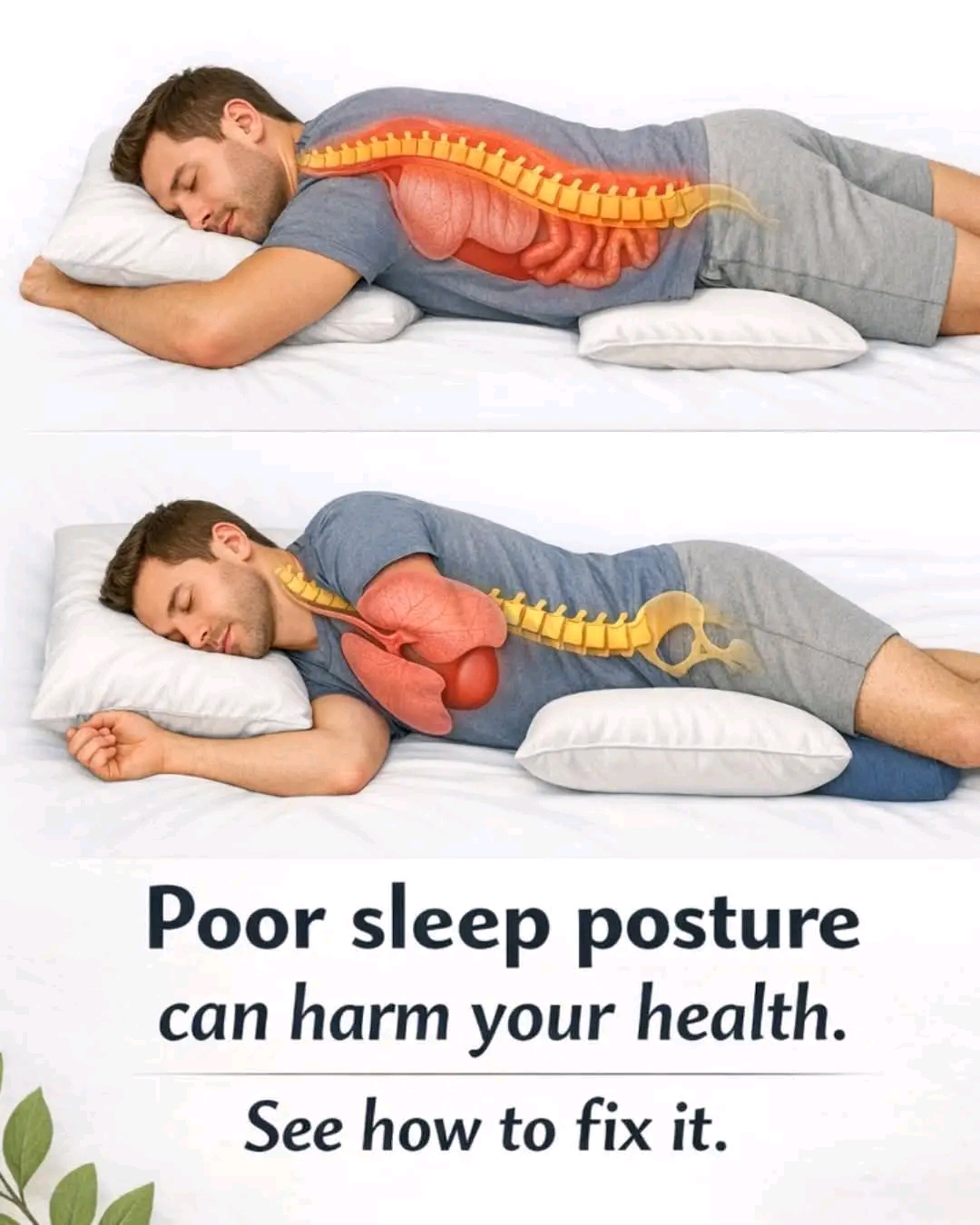
For many adults, side sleeping or back sleeping with proper support can be comfortable choices. Sleeping on your stomach may place extra strain on the neck because your head must remain turned to one side.
The goal isn’t to force yourself into a completely different position overnight. Instead, gradually create a position that keeps your head, neck, shoulders, hips, and spine comfortably aligned.
🧺 What You Need
You don’t need special equipment. Consider:
- 1 supportive pillow for your head
- 1 additional pillow for your knees or between your legs
- A comfortable mattress
- A small cushion or rolled towel, if extra support is needed
- Comfortable sleepwear
- A quiet, dark sleeping environment
- A consistent bedtime routine
💤 Method 1: Side Sleeping
Side sleeping is a popular position and can be especially comfortable for people who naturally prefer sleeping on their side.
How to set yourself up:
- Lie comfortably on your left or right side.
- Keep your head supported so your neck isn’t bent sharply upward or downward.
- Place a pillow between your knees.
- Keep your hips and shoulders reasonably aligned.
- Avoid curling your body into an extremely tight position.
- Relax your shoulders and allow your arms to rest comfortably.
Pillow trick
A pillow between the knees can help reduce twisting through the hips and lower back. Choose a pillow that keeps your head approximately level with your spine.
🛌 Method 2: Back Sleeping
For people who find back sleeping comfortable, this position can provide a neutral resting position for the spine when properly supported.
How to set yourself up:
- Lie flat on your back.
- Use a pillow that supports your head without pushing your chin toward your chest.
- Place a small pillow beneath your knees if it feels comfortable.
- Allow your shoulders to relax.
- Keep your arms in a natural position rather than forcing them overhead.
If you snore heavily or have breathing problems during sleep, however, back sleeping may make symptoms worse for some people.
🚫 Method 3: Reduce Stomach Sleeping
Sleeping on your stomach isn’t automatically dangerous, but it can be harder to maintain comfortable neck and spinal alignment.
If you naturally sleep on your stomach and want to change:
- Start by moving gradually toward side sleeping.
- Place a pillow between your knees.
- Use a comfortable head pillow rather than a very thick one.
- Give yourself several nights to adapt.
- Don’t worry if you change positions during the night.
🌿 Build a Better Sleep Routine
Your sleeping position is only one part of good sleep. Try combining it with these habits:
- Go to bed and wake up at similar times each day.
- Keep your bedroom dark, quiet, and comfortably cool.
- Reduce bright screens before bedtime.
- Avoid large meals immediately before going to bed.
- Limit caffeine later in the day.
- Give yourself enough time for sleep.
- Keep your mattress and pillows comfortable and supportive.
📜 A Little History of Sleep Positions
People have used different sleeping arrangements and positions throughout history. Before modern mattresses and adjustable pillows, people commonly slept on simple mats, woven materials, straw-filled bedding, or other natural surfaces.
As mattresses, pillows, and bedroom furniture evolved, people gained more opportunities to adjust their sleeping environment for comfort.
Today, sleep researchers recognize that comfort, individual anatomy, breathing, and medical conditions can all influence which position works best for a particular person.
❤️ For Sleep Lovers
If you love waking up feeling refreshed, don’t underestimate the small details.
A comfortable pillow, a supportive mattress, a relaxing bedtime routine, and a position that keeps your body comfortable can make bedtime much more enjoyable.
Remember: there is no single sleeping position that everyone must use. Your body may naturally move between positions throughout the night, and that’s completely normal.
⚠️ Important Note
If you regularly have severe insomnia, loud snoring, choking or gasping during sleep, persistent morning headaches, significant daytime sleepiness, or ongoing pain, changing your sleeping position may not be enough. Consider speaking with a healthcare professional, because these symptoms can sometimes be associated with an underlying sleep or health problem.
🌙 Conclusion
Better sleep isn’t always about finding a magical position. It’s about creating a comfortable environment and discovering what works best for your own body.
Start tonight with one simple change: support your neck, keep your body comfortably aligned, and choose the position that allows you to breathe and relax comfortably.
Sweet dreams and restful nights! 🌙💤
If this helped you, share it with someone who wakes up tired every morning. ❤️