🌿 Bladder & Prostate Wellness Nourishing Bowl
A wholesome everyday recipe for hydration, fiber, and balanced nutrition
🌱 Introduction
Taking care of the bladder and prostate begins with everyday habits rather than miracle remedies. This colorful nourishing bowl combines water-rich vegetables, leafy greens, whole grains, pumpkin seeds, olive oil, and fresh herbs into a satisfying meal.
It is not a medicine or a treatment for an enlarged prostate, prostatitis, urinary infection, or prostate cancer. Instead, think of it as a delicious way to include nutritious foods in a balanced diet.
Adequate fluids are important for urinary health, and water is generally the best choice. Fiber-rich foods can also help prevent constipation, which can negatively affect urinary health.
🥗 Ingredients
For the nourishing bowl
- 1 cup cooked quinoa or brown rice
- 1 cup cucumber, diced
- 1 medium carrot, grated or thinly sliced
- 1 cup broccoli florets, lightly steamed
- 1 cup baby spinach
- ½ cup cooked chickpeas
- ¼ avocado, sliced
- 2 tablespoons pumpkin seeds
- 1 tablespoon extra-virgin olive oil
- 2 tablespoons chopped fresh parsley
- 1 tablespoon chopped fresh mint
- A small pinch of salt
Gentle dressing
- 2 tablespoons plain yogurt
- 1 tablespoon olive oil
- 1 teaspoon honey
- 1 teaspoon finely chopped parsley
- 1–2 tablespoons water, as needed
- A tiny pinch of salt
Optional: If acidic foods or spicy ingredients bother your bladder, leave out citrus, chili, and other personal triggers. Some people find caffeine, alcohol, spicy foods, citrus, carbonated drinks, and acidic foods irritating.
👩🍳 Preparation
Step 1 — Prepare the grain
Cook quinoa or brown rice according to the package directions. Allow it to cool slightly.
Step 2 — Prepare the vegetables
Wash the cucumber, carrot, spinach, broccoli, parsley, and mint thoroughly.
Steam the broccoli until tender but still slightly crisp. Avoid overcooking it so the bowl retains a pleasant texture.
Step 3 — Prepare the chickpeas
If using canned chickpeas, drain and rinse them well. Allow them to drain completely.
Step 4 — Make the dressing
Place yogurt, olive oil, honey, parsley, and a tiny pinch of salt into a small bowl.
Add a little water and whisk until smooth and creamy.
Step 5 — Build the bowl
Place the cooked quinoa or brown rice in the bottom of a large bowl.
Arrange the spinach, cucumber, carrot, broccoli, chickpeas, and avocado around the grain.
Step 6 — Add the finishing ingredients
Sprinkle pumpkin seeds, parsley, and mint over everything.
Drizzle with the yogurt dressing.
Step 7 — Serve
Serve immediately while the vegetables are fresh and colorful.
🌿 Method
The idea behind this recipe is simple:
Whole grains + vegetables + legumes + healthy fats + seeds + adequate hydration = a balanced, nourishing meal.
The vegetables provide fiber and a variety of nutrients, chickpeas contribute plant protein and fiber, avocado and olive oil provide unsaturated fats, and pumpkin seeds add crunch and nutrients.
Pair the meal with a glass of water rather than a heavily caffeinated or alcoholic beverage.
📜 A Little History
Grain bowls are a modern presentation of a very old idea: combining grains, legumes, vegetables, herbs, and nourishing fats into one satisfying meal.
Across Mediterranean and North African cuisines, ingredients such as chickpeas, olive oil, fresh herbs, grains, vegetables, and yogurt have long been used in everyday cooking.
The exact combination in this recipe is modern, but the principle is traditional: simple ingredients, prepared well, combined into a complete meal.
💚 Why These Ingredients?
🥒 Cucumber
Provides water and a refreshing texture.
🥦 Broccoli
A nutrient-rich vegetable that adds fiber and substance.
🥕 Carrot
Adds natural sweetness, color, and fiber.
🥬 Spinach
Provides leafy-green nutrition and complements the other vegetables.
🫘 Chickpeas
Add plant protein and fiber, helping make the bowl more filling.
🌱 Pumpkin seeds
Provide a crunchy topping and useful nutrients.
🥑 Avocado
Adds creaminess and unsaturated fat.
🫒 Olive oil
A flavorful source of unsaturated fat commonly used in Mediterranean-style eating.
🌾 Quinoa or brown rice
Provides a satisfying whole-grain-style base.
💧 The Hydration Method
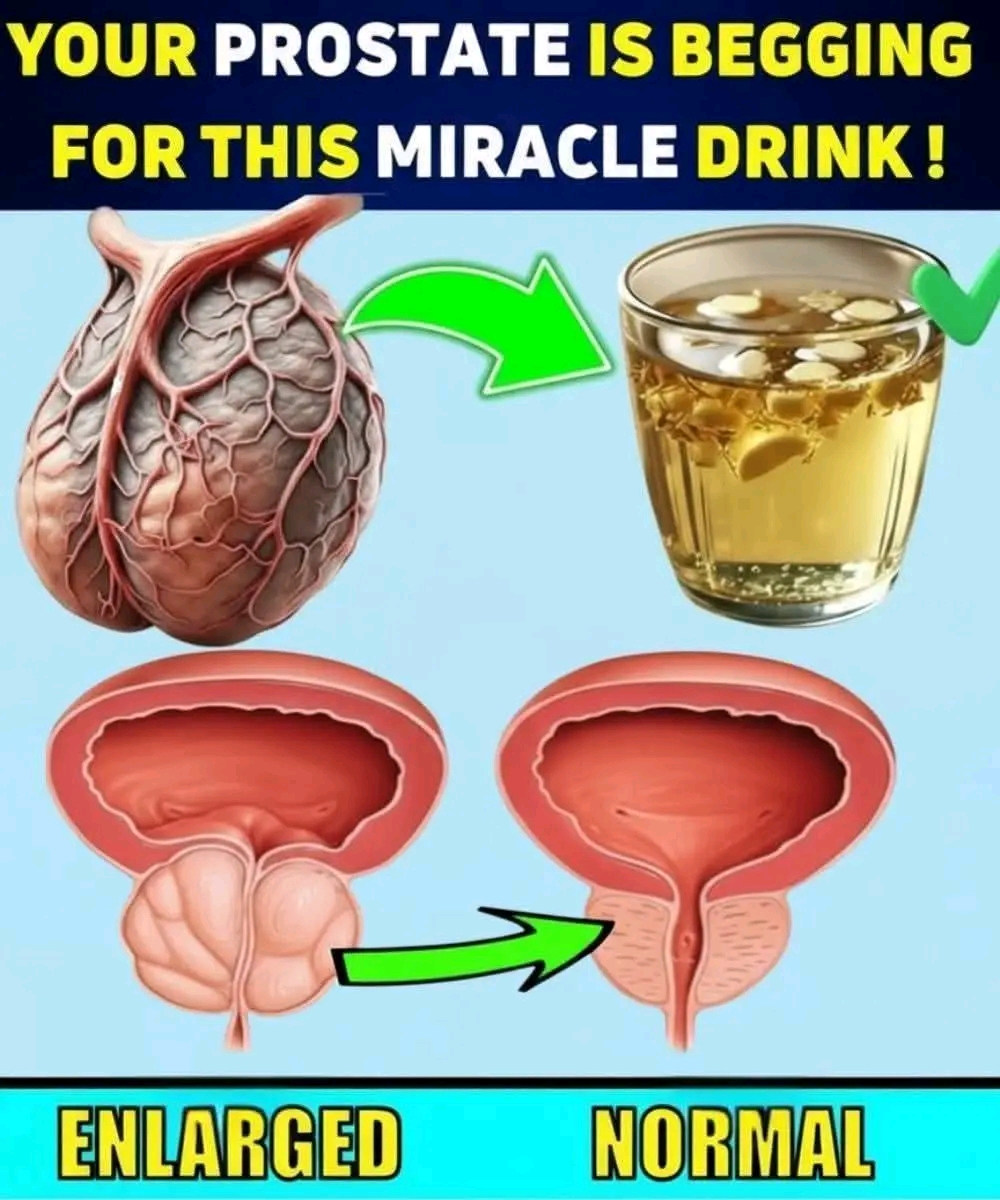
Instead of searching for a single “prostate cleansing” drink, focus on sensible hydration.
Drink water regularly according to your body’s needs. The National Institute of Diabetes and Digestive and Kidney Diseases recommends enough fluid to avoid dehydration, while noting that people with certain conditions such as kidney or heart failure may need individualized fluid advice.
If nighttime urination is a problem, talk with a healthcare professional about the timing and amount of fluids rather than severely restricting water yourself.
🧘 The Daily Wellness Method
A healthy recipe works best when combined with healthy habits:
- 💧 Drink an appropriate amount of water.
- 🥦 Eat plenty of vegetables and fiber-rich foods.
- 🚶 Stay physically active.
- ⚖️ Work toward a healthy weight if appropriate.
- 🚭 Avoid smoking.
- ☕ Notice whether caffeine makes urinary symptoms worse.
- 🍺 Limit alcohol if it aggravates symptoms.
- 🚽 Don’t routinely hold your urine for long periods.
- 🥗 Avoid foods that you personally notice trigger bladder discomfort.
- 👨⚕️ Have persistent urinary symptoms evaluated rather than trying to treat them with food alone.
These habits are consistent with guidance on maintaining bladder health.
❤️ For the Lovers of Healthy Food
This recipe is for everyone who loves food that is:
✨ Fresh
✨ Colorful
✨ Filling
✨ Simple
✨ Naturally flavorful
✨ Rich in vegetables
✨ Easy to customize
For a heartier version, add grilled chicken, salmon, tofu, or another protein you enjoy.
For a vegetarian version, simply keep the chickpeas as the main protein source.
🍽️ Serving Suggestions
Serve this bowl for:
- Breakfast or brunch
- Lunch
- A light dinner
- Meal preparation
- A healthy family gathering
For meal preparation, keep the dressing separate until serving so the vegetables remain crisp.
⚠️ Important Health Note
This recipe does not cure an enlarged prostate, prostatitis, urinary infection, urinary retention, or prostate cancer, and there is no proven food recipe that can replace appropriate medical treatment. Researchers have not established diet as a way to prevent prostate problems.
If you have difficulty starting urination, a weak stream, frequent nighttime urination, pelvic pain, blood in the urine, painful urination, or other persistent urinary symptoms, speak with a healthcare professional. If you cannot urinate at all, seek medical care promptly, because urinary retention can require urgent treatment.
🌟 Conclusion
Your bladder and prostate deserve more than a miracle claim—they deserve consistent care.
Enjoy colorful vegetables, fiber-rich foods, healthy fats, adequate water, regular movement, and balanced meals such as this nourishing bowl.
There is no magic ingredient that instantly “cleanses” the prostate, but a healthy lifestyle can support overall well-being.
❤️ Eat well. Drink wisely. Move regularly. Listen to your body.
And if urinary symptoms are persistent or worsening, don’t wait for a recipe to solve them—get them checked.