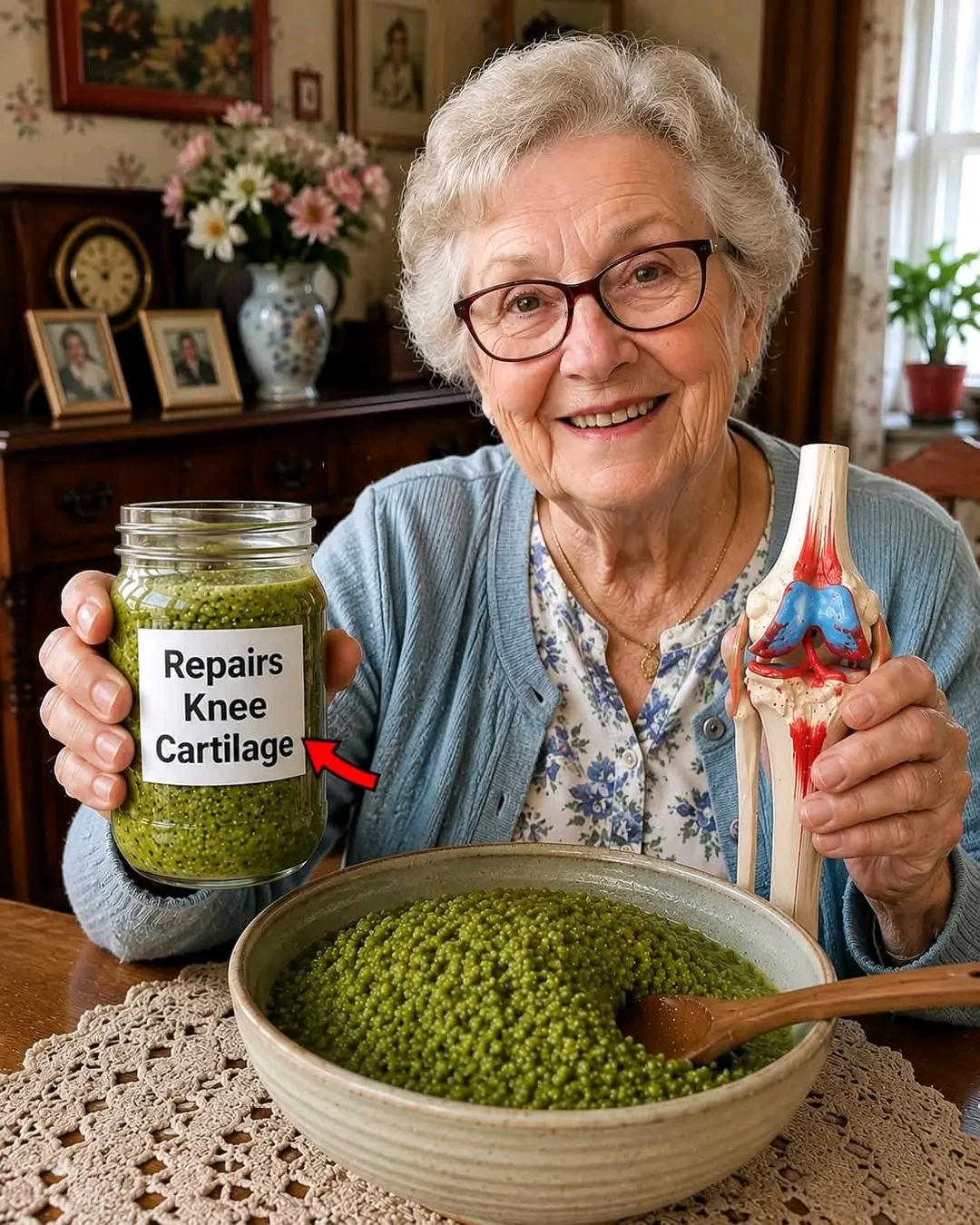
🥬 Green Bone-Support Salad with Creamy Yogurt Dressing
Introduction
This beautiful green salad is inspired by the idea behind the viral “one green food” claim, but turns it into something realistic and nutritious.
The star ingredient is kale, combined with broccoli, spinach, avocado, pumpkin seeds, Greek yogurt, lemon, and a little olive oil. Together, these ingredients create a satisfying meal containing vegetables, healthy fats, protein, and several nutrients important for overall bone health.
Green leafy vegetables are particularly good sources of vitamin K1. NIH information lists spinach, kale, and broccoli among important dietary sources.
🥗 Ingredients
For the salad:
- 3 cups fresh kale, stems removed and finely chopped
- 2 cups fresh baby spinach
- 1 cup broccoli florets
- 1 ripe avocado, diced
- ½ cucumber, sliced
- ½ cup cherry tomatoes, halved
- ¼ cup pumpkin seeds
- ¼ cup walnuts, roughly chopped
- ½ cup cooked chickpeas
- 2 tablespoons extra-virgin olive oil
For the creamy lemon dressing:
- ½ cup plain Greek yogurt
- 1 tablespoon fresh lemon juice
- 1 tablespoon extra-virgin olive oil
- 1 teaspoon honey
- 1 small garlic clove, finely minced
- ½ teaspoon dried oregano
- Pinch of salt
- Black pepper, to taste
- 1–2 tablespoons water, if needed to thin
Optional additions:
- 1 boiled egg
- ½ cup grilled chicken
- A little feta cheese
- Fresh parsley
- A sprinkle of sesame seeds
👩🍳 Instructions
Method 1: Prepare the greens
Wash the kale and spinach thoroughly.
Remove the tough stems from the kale and chop the leaves into small pieces. Place the kale in a large bowl.
Add 1 tablespoon of olive oil and gently massage the kale with clean hands for 1–2 minutes.
This softens the leaves and makes the salad much more pleasant to eat.
Add the spinach and mix.
Method 2: Prepare the broccoli
Bring a small saucepan of water to a boil.
Add the broccoli and cook for approximately 2–3 minutes, just until it becomes bright green and slightly tender.
Immediately drain it.
For a crispier salad, you can rinse the broccoli briefly under cold water.
Allow it to cool before adding it to the greens.
Method 3: Prepare the vegetables
Add the following to the bowl:
- Broccoli
- Cucumber
- Cherry tomatoes
- Avocado
- Chickpeas
Gently toss everything together.
Method 4: Add the crunchy ingredients
Sprinkle the pumpkin seeds and chopped walnuts over the salad.
These provide texture and make the dish more filling.
If desired, add a boiled egg, grilled chicken, or feta cheese for additional protein.
Method 5: Make the dressing
In a small bowl, combine:
Greek yogurt + lemon juice + olive oil + honey + garlic + oregano + salt + pepper.
Whisk until smooth.
If the dressing is too thick, add 1–2 tablespoons of water until you reach your preferred consistency.
Method 6: Finish the salad
Pour the dressing over the green mixture.
Toss gently until everything is lightly coated.
Let the salad rest for approximately 5 minutes before serving so the flavors can come together.
🌿 Why These Green Foods Are Interesting
The nutritional idea behind this recipe has some scientific basis, although it should not be confused with a cure.
Vitamin K is involved in the activation of proteins associated with bone metabolism. Green leafy vegetables are among the richest natural sources of vitamin K1.
One NIH table, for example, lists approximately 113 mcg of vitamin K in one cup of raw kale and about 110 mcg in ½ cup of cooked chopped broccoli.
A small randomized crossover study in healthy middle-aged and older adults also found that increasing vitamin-K-rich green vegetable intake affected markers of osteocalcin and bone metabolism. The researchers emphasized that longer-term research is still needed to determine whether this translates into stronger bones or fewer fractures.
That is why it is better to describe this recipe as bone-supportive nutrition, rather than claiming that it regenerates bones.
🦴 The “Formation” of a Bone-Friendly Meal
A strong nutritional approach is not about finding one miraculous ingredient.
Instead, think of the meal as a team:
🥬 Kale and spinach
Provide vitamin K and other micronutrients.
🥦 Broccoli
Provides vitamin K and vitamin C, among other nutrients.
🥑 Avocado and olive oil
Provide unsaturated fats. Eating some fat alongside vegetables can improve absorption of vitamin K from plant foods.
🥛 Greek yogurt
Provides protein and calcium.
🌰 Pumpkin seeds and walnuts
Add healthy fats, minerals, and texture.
🫘 Chickpeas
Add plant protein and other nutrients.
🍋 Lemon
Adds freshness and vitamin C.
For bone health overall, calcium and vitamin D are particularly important, and adequate protein is also valuable.
📜 A Little History
Leafy greens have been part of human diets for thousands of years. Long before modern nutrition science identified individual vitamins, cultures around the world used vegetables such as cabbage, spinach, chard, kale, and various local greens as everyday foods.
Only much later did scientists identify vitamin K and discover its important role in blood clotting and other physiological processes.
Today, vitamin K1 is recognized as being particularly abundant in green leafy vegetables.
So while the modern internet may present a particular green food as a “secret” discovered by a doctor, the broader nutritional lesson is much simpler: regularly eating a variety of vegetables is a sensible part of a healthy diet.
❤️ For the Lovers of Green Food
If you are someone who loves fresh, colorful, crunchy meals, this recipe is easy to customize.
For a Mediterranean version, add feta, olives, parsley, cucumber, and tomatoes.
For a high-protein version, add grilled chicken, boiled eggs, tuna, or extra chickpeas.
For a vegetarian dinner, add chickpeas, quinoa, pumpkin seeds, and Greek yogurt dressing.
For a warmer meal, serve the salad alongside grilled salmon or roasted chicken.
🍽️ Serving Method
Serve immediately after dressing.
For meal preparation, keep the dressing separate and add it just before eating. The salad can then stay crisp for longer.
A generous bowl makes an excellent lunch, light dinner, or side dish.
⚠️ An Important Health Note
If you take warfarin or another medication affected by vitamin K, don’t suddenly make a major change in your intake of leafy greens without discussing it with your healthcare professional. The NIH specifically recommends keeping vitamin K intake consistent for people taking warfarin.
And if you have osteoporosis, persistent joint pain, a fracture, or suspected cartilage damage, this recipe should complement—not replace—medical evaluation and treatment.
🌱 Conclusion
The real lesson behind the sensational “one green food” headline is more useful than the headline itself.
There is no magical vegetable that can regenerate the human skeleton overnight. But regularly eating nutrient-rich green vegetables can contribute to a healthy eating pattern, and vitamin K from foods such as kale, spinach, and broccoli plays a role in normal bone metabolism.
So enjoy this colorful Green Bone-Support Salad as part of a balanced diet containing adequate protein, calcium, vitamin D, fruits, vegetables, and healthy fats.
🥬 **Eat the greens. Enjoy the meal. Nourish the whole body—not just one nutrient.**