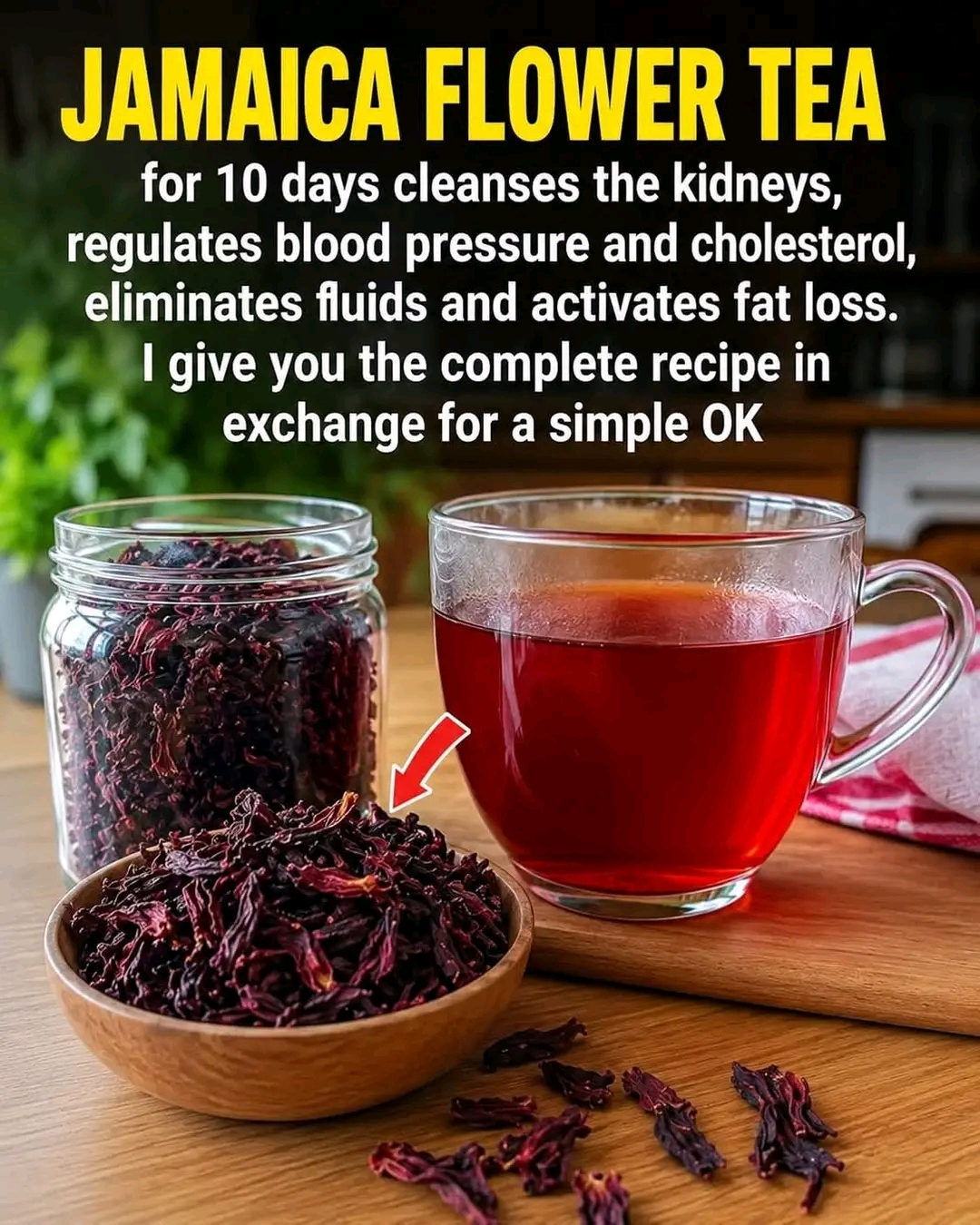
🌺 Hibiscus Flower Tea — A Refreshing 10-Day Herbal Tea Ritual
🌺 Introduction
Hibiscus flower tea is a beautiful ruby-red herbal infusion with a pleasantly tart, cranberry-like flavor. It can be enjoyed hot or cold and is especially delicious with a little honey, lemon, ginger, or cinnamon.
Rather than thinking of this as an “internal cleanse,” think of a 10-day hibiscus tea routine as a simple way to add a flavorful, hydrating beverage to your daily habits.
🛒 Ingredients
For 1 large serving
- 2 tablespoons dried hibiscus flowers (Hibiscus sabdariffa)
- 2½ cups water
- 1–2 teaspoons honey, optional
- 1 teaspoon fresh lemon juice, optional
- 2–3 thin slices fresh ginger, optional
- 1 small cinnamon stick, optional
- Fresh mint leaves, optional
- Ice, if serving cold
Optional 10-Day Tea Supply
You can prepare fresh tea each day using:
- 20 tablespoons dried hibiscus flowers
- About 25 cups water
- Lemon, ginger, mint, or honey according to taste
👩🍳 Instructions
Method 1 — Hot Hibiscus Tea
- Bring 2½ cups of water to a boil.
- Remove the water from the heat.
- Add the dried hibiscus flowers.
- Add ginger or cinnamon if desired.
- Cover and steep for 5–10 minutes.
- Strain the flowers from the tea.
- Add lemon juice and a little honey if desired.
- Serve warm.
Method 2 — Refreshing Iced Hibiscus Tea
- Prepare the tea as above.
- Allow it to cool completely.
- Pour over plenty of ice.
- Add fresh mint and a squeeze of lemon.
- Add a small amount of honey if you prefer it sweeter.
- Enjoy immediately.
🌺 The 10-Day Hibiscus Tea Ritual
Days 1–3:
Start with one moderate serving per day and see how your body responds.
Days 4–7:
Continue with your tea as part of your normal hydration routine. Try it with lemon and mint for a refreshing variation.
Days 8–10:
Continue enjoying the tea if you like it and tolerate it well. There’s no need to drink excessive amounts or extend the routine for a supposed “detox.”
The goal is simply to enjoy a wholesome herbal beverage—not to force a cleanse.
🧪 Formation & Preparation
The vibrant red color comes from naturally occurring plant pigments and other compounds found in hibiscus calyces. When hot water contacts the dried flowers, these compounds dissolve into the water, producing the characteristic ruby-red infusion and tart flavor.
A longer steep generally produces a stronger, more acidic-tasting tea, so adjust the steeping time according to your preference.
📜 A Little History
Hibiscus has been used as a food and beverage plant in various regions for generations. Hibiscus sabdariffa is particularly associated with traditional drinks in parts of Africa, the Middle East, Asia, the Caribbean, and Latin America.
Different cultures have developed their own versions—some served hot, others chilled and sweetened. The flowers have also been used in culinary preparations, giving dishes and drinks their characteristic red color and tangy flavor.
❤️ Who Will Love This Tea?
This drink is especially appealing to people who enjoy:
- Tart and fruity herbal teas
- Caffeine-free beverages
- Naturally colorful drinks
- Hot or iced tea
- Lemon-and-ginger flavors
- Simple homemade refreshments
🍋 Delicious Variations
Hibiscus Lemon Tea
Add fresh lemon juice and a teaspoon of honey.
Hibiscus Ginger Tea
Steep with several slices of fresh ginger for a warm, spicy flavor.
Hibiscus Mint Cooler
Chill the tea and serve over ice with fresh mint.
Hibiscus Berry Tea
Add a few crushed strawberries or raspberries after the tea has cooled.
Hibiscus Cinnamon Tea
Steep with one cinnamon stick and finish with a tiny amount of honey.
⚠️ Important Considerations
Hibiscus tea isn’t appropriate for everyone. It may lower blood pressure, and it can potentially interact with blood-pressure medicines and other medications. If you’re pregnant, breastfeeding, taking medication, or have a medical condition, it’s wise to ask a healthcare professional before making hibiscus tea a daily routine.
Also, don’t use the tea as a substitute for food, water, prescribed treatment, or medical care.
🌿 Conclusion
A 10-day hibiscus tea ritual can be a lovely way to enjoy more variety in your daily beverages. Its deep red color, refreshing tartness, and versatility make it excellent both hot and cold.
But instead of promising an “internal cleanse,” enjoy hibiscus for what it really is: a flavorful traditional herbal infusion that can complement a balanced diet and healthy lifestyle.
🌺 Sip slowly, stay hydrated, eat nourishing foods, and enjoy your tea! ❤️