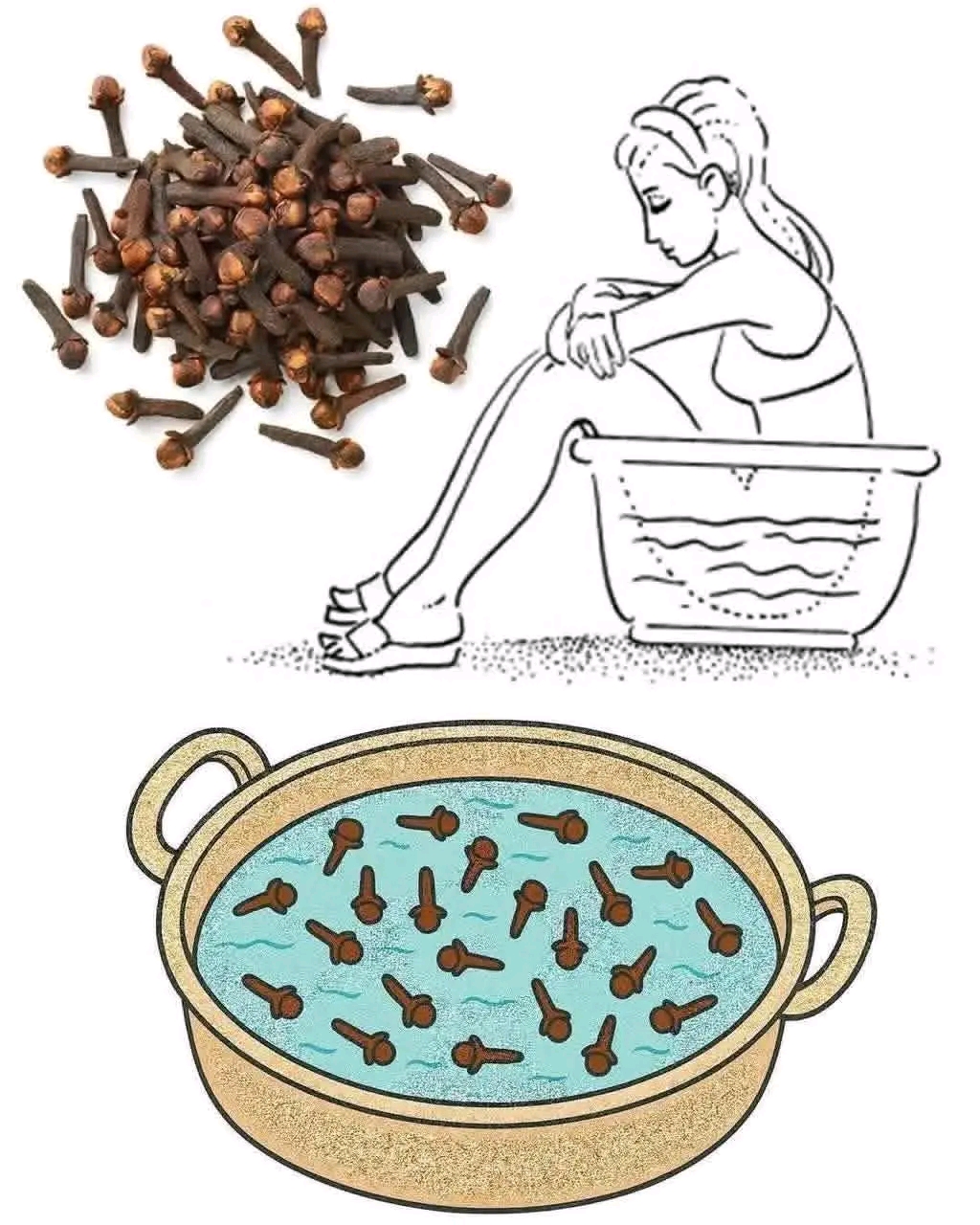
Clove Water Sitz Baths: A Traditional Soothing RemedyImportant Disclaimer: This information is for educational purposes only. Clove water sitz baths are a traditional home remedy and are not a substitute for professional medical advice, diagnosis, or treatment. Always consult with your healthcare provider, especially for postpartum recovery, hemorrhoids, infections, or any persistent condition.
What is a Clove Water Sitz Bath?
A sitz bath is a shallow, warm-water bath that cleanses and soothes the perineal area (the space between the anus and vulva or scrotum). Adding a clove infusion creates a warming, soothing, and mildly antiseptic soak based on traditional use.
Traditional Uses & Reported Benefits
Postpartum Recovery: Traditionally used to soothe perineal tenderness and promote healing after childbirth.· Hemorrhoid Relief: The warm water and clove’s potential anti-inflammatory properties may provide temporary comfort from itching and swelling.· General Perineal Discomfort: For minor irritation, itching, or soreness in the genital/anal area.· Cleansing: Used as a gentle cleanser for minor cuts or abrasions in the area.
The primary mechanism is the warm water itself, which increases blood flow and promotes relaxation. The clove infusion adds a comforting, aromatic element.
Precautions & Contraindications
STOP AND CONSULT A DOCTOR BEFORE USE IF:
· You have open wounds, surgical incisions, or severe tears (unless explicitly approved by your doctor/midwife).· You suspect an active infection (yeast, bacterial, or urinary tract infection).· You are pregnant (except for postpartum use as directed by a care provider).· You have known allergies to cloves or eugenol.· You have sensitive skin (perform a patch test first on your inner arm).
Clove oil is a potent skin irritant. Never use undiluted clove essential oil in a sitz bath.
Ingredients & Equipment
· 4-6 whole cloves (not powdered)· 4 cups (1 liter) filtered or distilled water· A clean, non-reactive pot with a lid· A sitz bath kit (that fits over your toilet) or a clean, shallow bathtub· A fine-mesh strainer or cheesecloth· Optional: 1-2 tablespoons of dried lavender flowers or chamomile for added soothing effect.
Step-by-Step Instructions
1.Make the Clove Infusion (Decoction):
Bring the 4 cups of water to a boil in the pot.· Add the whole cloves (and optional herbs).· Reduce heat, cover, and simmer gently for 15-20 minutes.· Remove from heat and let steep, covered, for another 10 minutes.· Strain thoroughly through a fine-mesh strainer or cheesecloth to remove all solid particles. This step is crucial to prevent irritation.
2.Prepare the Bath:
Clean your sitz bath basin or bathtub thoroughly with mild soap and hot water. Rinse well.· Fill the basin with warm (not hot) water. The ideal temperature is comfortably warm to the touch, similar to bath water for a baby (around 100°F / 38°C).· Pour the strained clove infusion into the bath water and stir to mix.
3.Taking the Sitz Bath:
Position the sitz bath bowl securely over your toilet, or sit in the shallow bath.· Soak the perineal area for 10-15 minutes, no longer.· Gently pat the area dry with a clean, soft towel. Do not rub.· Always air dry for a few minutes before putting on loose, breathable cotton underwear.
Aftercare & Hygiene
· Use a fresh bath infusion each time. Do not store or re-use the water.· Wash the sitz bath basin with hot, soapy water after every use.· Follow your healthcare provider’s specific aftercare instructions if you are postpartum or treating a medical condition.
When to Seek Medical Attention
Consult your doctor or midwife immediately if you experience:
Increased pain, burning, or irritation during or after the bath.· Signs of an allergic reaction (rash, hives, significant redness).· Foul-smelling discharge or pus.· Fever or chills.· No improvement in symptoms after a few days of use.
The Bottom Line
A warm clove water sitz bath can be a soothing complementary practice for general perineal comfort when prepared and used correctly. Its effectiveness is largely attributed to the warm water therapy. It is not a cure for medical conditions. For postpartum recovery, hemorrhoids, or infections, your healthcare provider’s guidance is essential for safe and effective treatment.