Introduction
Are you tired of bland, boring chicken dinners? Do weeknights feel like a culinary race against the clock, leaving you reaching for takeout menus more often than you’d like? We get it. Life is busy, but delicious and healthy meals shouldn’t be a sacrifice. That’s where the magic of chicken marinades comes in! Imagine transforming plain chicken into a flavorful masterpiece with just a few minutes of prep. Marinades are your secret weapon for infusking incredible taste and tenderness into every bite, making dinner an exciting event rather than a dreaded chore.
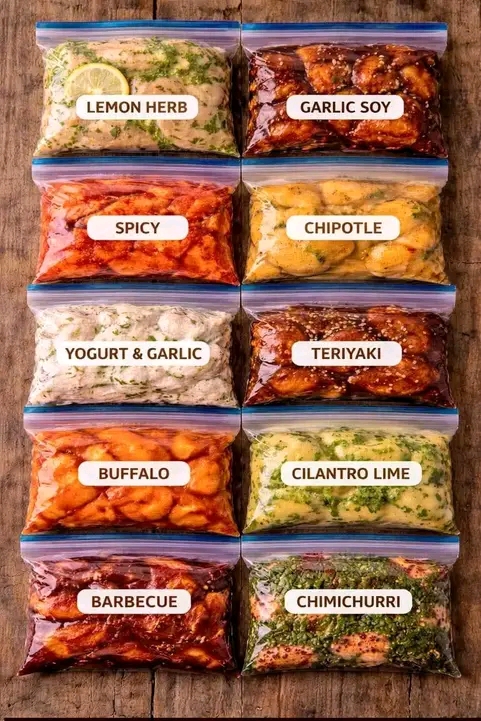
This article is your ultimate guide to unlocking a world of flavor with 10 easy chicken marinades. Whether you’re a seasoned home cook or just starting your culinary journey, these recipes are designed to be simple, versatile, and incredibly delicious. We’ll cover everything from zesty lemon-herb to smoky chipotle, ensuring there’s a marinade to tantalize every taste bud. Plus, we’ll show you how these marinades are perfect for meal prepping, allowing you to stock your freezer with ready-to-cook chicken that’s bursting with flavor, making healthy eating easier than ever.
chicken and hello to juicy, tender, and incredibly flavorful meals that will have your family asking for seconds. These marinades aren’t just about adding flavor; they’re about saving you time, reducing stress, and bringing joy back to your kitchen. Let’s dive into the delicious world of easy chicken marinades and revolutionize your dinner routine!
Nutritional Information
Per serving (approximate values for 4 oz chicken breast with marinade):
Calories: 250-350
Protein: 30-35g
Carbohydrates: 5-15g
Fat: 10-20g
Fiber: 0-2g
Sodium: 300-600mg
Ingredients
General Ingredients (for all marinades):
2 pounds boneless, skinless chicken breasts or thighs (about 4-6 pieces), pounded to even thickness if using breasts
Large resealable freezer bags or shallow dishes
1. Lemon Herb Marinade:
1/4 cup olive oil
1/4 cup fresh lemon juice
2 cloves garlic, minced
1 tablespoon fresh parsley, chopped
1 teaspoon fresh thyme, chopped
1/2 teaspoon dried oregano
1/2 teaspoon salt
1/4 teaspoon black pepper
2. Garlic Soy Marinade:
1/2 cup soy sauce (low sodium preferred)
2 tablespoons rice vinegar
3 cloves garlic, minced
1 tablespoon fresh ginger, grated
1 tablespoon brown sugar or honey
1 teaspoon sesame oil
3. Spicy Marinade:
1/4 cup soy sauce
2 tablespoons sriracha or other chili garlic sauce (adjust to taste)
2 tablespoons rice vinegar
2 cloves garlic, minced
1 tablespoon fresh ginger, grated
1 tablespoon honey or maple syrup
1/2 teaspoon red pepper flakes (optional)
4. Chipotle Marinade:
1/4 cup olive oil
2 chipotle peppers in adobo sauce, minced (plus 1 tablespoon adobo sauce)
2 cloves garlic, minced
2 tablespoons fresh lime juice
1 tablespoon honey or maple syrup
1/2 teaspoon ground cumin
1/4 teaspoon salt
5. Yogurt & Garlic Marinade:
1/2 cup plain Greek yogurt
3 cloves garlic, minced
2 tablespoons fresh lemon juice
1 tablespoon fresh dill, chopped (or 1 teaspoon dried)
1/2 teaspoon salt
1/4 teaspoon black pepper
6. Teriyaki Marinade:
1/2 cup soy sauce (low sodium preferred)
1/4 cup water
2 tablespoons brown sugar
2 tablespoons rice vinegar
2 cloves garlic, minced
1 tablespoon fresh ginger, grated
1 tablespoon sesame oil
1 teaspoon cornstarch (optional, for thicker sauce)
7. Buffalo Marinade:
1/2 cup Frank’s RedHot original hot sauce
1/4 cup unsalted butter, melted1 tablespoon white vinegar
1/2 teaspoon garlic powder
1/2 teaspoon Worcestershire sauce
8. Cilantro Lime Marinade:
1/2 cup fresh cilantro, chopped
1/4 cup fresh lime juice
1/4 cup olive oil
2 cloves garlic, minced
1 teaspoon ground cumin
1/2 teaspoon salt
1/4 teaspoon black pepper
9. Barbecue Marinade:
1/2 cup your favorite barbecue sauce
1 tablespoon Worcestershire sauce
1 tablespoon apple cider vinegar
1 teaspoon smoked paprika
1/2 teaspoon garlic powder
1/4 teaspoon black pepper
10. Chimichurri Marinade:
1/2 cup fresh parsley, chopped
1/4 cup fresh cilantro, chopped
2 cloves garlic, minced
2 tablespoons red wine vinegar
1/4 cup olive oil
1/2 teaspoon dried oregano
1/4 teaspoon red pepper flakes (optional)
1/2 teaspoon salt
1/4 teaspoon black pepper
Instructions
Prepare the Chicken: If using chicken breasts, pound them to an even 3/4-inch thickness. This ensures even cooking and better marinade absorption. Cut chicken into desired pieces (whole breasts/thighs, strips, or cubes).
Choose Your Marinade: Select one of the 10 delicious marinades from the list above.
Mix the Marinade: In a medium bowl, combine all the ingredients for your chosen marinade. Whisk well to ensure everything is thoroughly mixed.
Combine Chicken and Marinade: Place the chicken pieces into a large resealable freezer bag or a shallow, non-reactive dish. Pour the prepared marinade over the chicken, making sure all pieces are well coated.
Seal and Distribute: If using a bag, press out as much air as possible before sealing. Gently massage the bag to ensure the marinade is evenly distributed over all the chicken. If using a dish, cover tightly with plastic wrap.
Marinate: Place the chicken in the refrigerator to marinate.For chicken breasts or smaller pieces: Marinate for at least 30 minutes, but ideally 2-4 hours.For thicker chicken thighs or whole breasts: Marinate for 2-8 hours.Important: Do not marinate chicken in acidic or enzyme-rich marinades (like lemon, lime, or yogurt) for longer than 8 hours, as the texture can become mushy. Soy-based marinades can go up to 12-24 hours.Cook the Chicken: When ready to cook, remove the chicken from the marinade. Discard any remaining marinade that has come into contact with raw chicken.Grilling: Preheat grill to medium-high heat. Grill chicken for 5-7 minutes per side, or until internal temperature reaches 165°F (74°C).Baking: Preheat oven to 400°F (200°C). Place chicken on a baking sheet lined with parchment paper. Bake for 20-30 minutes, flipping halfway, or until internal temperature reaches 165°F (74°C).Pan-Frying: Heat 1 tablespoon of oil in a large skillet over medium-high heat. Add chicken and cook for 5-8 minutes per side, or until internal temperature reaches 165°F (74°C).Rest and Serve: Once cooked, remove chicken from heat and let it rest for 5 minutes before slicing or serving. This allows the juices to redistribute, ensuring tender and moist chicken.
Cooking Tips and Variations
Food Safety First: Always marinate chicken in the refrigerator, never at room temperature. Always discard used marinade that has touched raw chicken; never reuse it as a sauce unless it has been boiled vigorously for at least 5 minutes to kill any bacteria.Pound for Perfection: For chicken breasts, pounding them to an even thickness (about 3/4 inch) is crucial. This ensures they cook evenly and remain juicy. Use a meat mallet or the bottom of a heavy pan between two sheets of plastic wrap.Don’t Over-Marinate: While marinades add flavor, too much time in an acidic marinade can actually break down the chicken’s proteins too much, leading to a mushy or stringy texture. Stick to the recommended times for best results.Freezer Meal Prep: These marinades are fantastic for freezer meal prep! After combining the chicken and marinade in a resealable bag, simply label it with the date and marinade type, then freeze flat. When ready to cook, thaw overnight in the refrigerator and proceed with cooking instructions. This is a game-changer for busy weeknights!Adjust to Your Taste: Feel free to customize these marinades! Love more garlic? Add an extra clove! Prefer spicier? Increase the chili flakes or sriracha. Want it sweeter? A touch more honey or brown sugar. These recipes are a fantastic starting point for your culinary creativity.Enhance the Sear: For grilling or pan-frying, pat the marinated chicken dry with paper towels before cooking. This removes excess moisture, allowing for a better sear and a more flavorful crust.Marinade as a Sauce (with caution): If you want to use some of the marinade as a finishing sauce, set aside a portion of the marinade *before* it touches raw chicken. You can then simmer this reserved portion in a small saucepan until it thickens slightly and reaches a boil for at least 5 minutes, making it safe to serve.Cooking Methods: While grilling, baking, and pan-frying are popular, these marinated chickens are also excellent for stir-fries (cut into smaller pieces), air frying (reduce cooking time), or even slow cooking (for thighs, adjust liquid content).Thighs vs. Breasts: Chicken thighs are more forgiving and remain juicier due to their higher fat content, making them excellent for longer marinating times and various cooking methods. Chicken breasts are leaner and can dry out if overcooked, so monitor their internal temperature carefully.
Serving Suggestions:Lemon Herb & Yogurt Garlic: Serve with roasted vegetables (asparagus, broccoli), quinoa, or a fresh green salad.Garlic Soy, Teriyaki, Spicy: Perfect with steamed rice, stir-fried vegetables, or in lettuce wraps.Chipotle & Cilantro Lime: Ideal for tacos, burritos, quesadillas, or over a bed of cilantro-lime rice.Buffalo: Great in wraps, salads, or with a side of celery sticks and blue cheese dressing.Barbecue: Serve with corn on the cob, potato salad, coleslaw, or on a bun for a BBQ chicken sandwich.Chimichurri: Excellent with roasted potatoes, grilled peppers, or simply as a flavorful topping for any side.
Storage and ReheatingStoring Cooked Chicken:Once cooked, allow the chicken to cool completely before storing. Transfer the cooked chicken to an airtight container and refrigerate within two hours of cooking. It will stay fresh for 3-4 days in the refrigerator.Freezing Cooked Chicken:If you want to freeze cooked chicken, ensure it’s completely cooled. Place individual portions in freezer-safe bags or containers, removing as much air as possible to prevent freezer burn. Cooked chicken can be frozen for up to 2-3 months. Thaw overnight in the refrigerator before reheating.Reheating Cooked Chicken:Oven: Preheat oven to 325°F (160°C). Place chicken in an oven-safe dish, add a splash of broth or water to keep it moist, and cover tightly with foil. Heat for 10-15 minutes, or until warmed through, checking the internal temperature reaches 165°F (74°C).Skillet: Heat a small amount of oil or butter in a skillet over medium-low heat. Add chicken and cook gently, covered, for 5-7 minutes, flipping occasionally, until heated through. Adding a tablespoon of water can help create steam and prevent drying.Microwave: For quick reheating, place chicken on a microwave-safe plate. Add a tablespoon of water or broth and cover loosely with a microwave-safe lid or damp paper towel. Heat in 30-second intervals until warmed through, checking and flipping as needed. Be careful not to overheat, as this can dry out the chicken.Important Reheating Tip: Always reheat chicken until its internal temperature reaches 165°F (74°C) to ensure food safety.
Frequently Asked QuestionsWhat is the minimum and maximum time I should marinate chicken?For most chicken cuts, a minimum of 30 minutes is sufficient to impart some flavor, especially for thin pieces. The ideal marinating time is typically 2-4 hours for breasts and 2-8 hours for thighs. For acidic marinades (lemon, lime, yogurt), avoid marinating for more than 8 hours, as the acid can start to “cook” the chicken and make it mushy. Soy-based marinades can extend safely up to 12-24 hours without compromising texture.Can I freeze chicken in the marinade?Absolutely! Freezing chicken in its marinade is one of the best meal prep hacks. Simply combine the chicken and marinade in a freezer-safe bag, press out excess air, label, and freeze flat. When you’re ready to cook, transfer the bag to the refrigerator to thaw overnight. The thawing process allows the chicken to continue absorbing the flavors, resulting in a super tender and flavorful meal with minimal effort on cooking day.How can I make my chicken extra juicy and flavorful?Beyond marinating, a few tips can help. Pounding chicken breasts to an even thickness ensures uniform cooking and prevents dry spots. Don’t overcook your chicken; use a meat thermometer to ensure it reaches 165°F (74°C) and then remove it promptly from the heat. Allowing the chicken to rest for 5-10 minutes after cooking lets the juices redistribute, keeping it moist. Also, consider using chicken thighs, which have higher fat content and are more forgiving if slightly overcooked.What’s the best way to cook marinated chicken?The best way depends on your preference and the specific marinade. Grilling imparts a smoky flavor and nice char, perfect for most marinades. Baking is a hands-off method that’s great for consistent cooking. Pan-frying offers a quick cook time and a delicious crust. Air frying is another excellent option for crispy results with less oil. Choose the method that best suits your schedule and desired outcome.