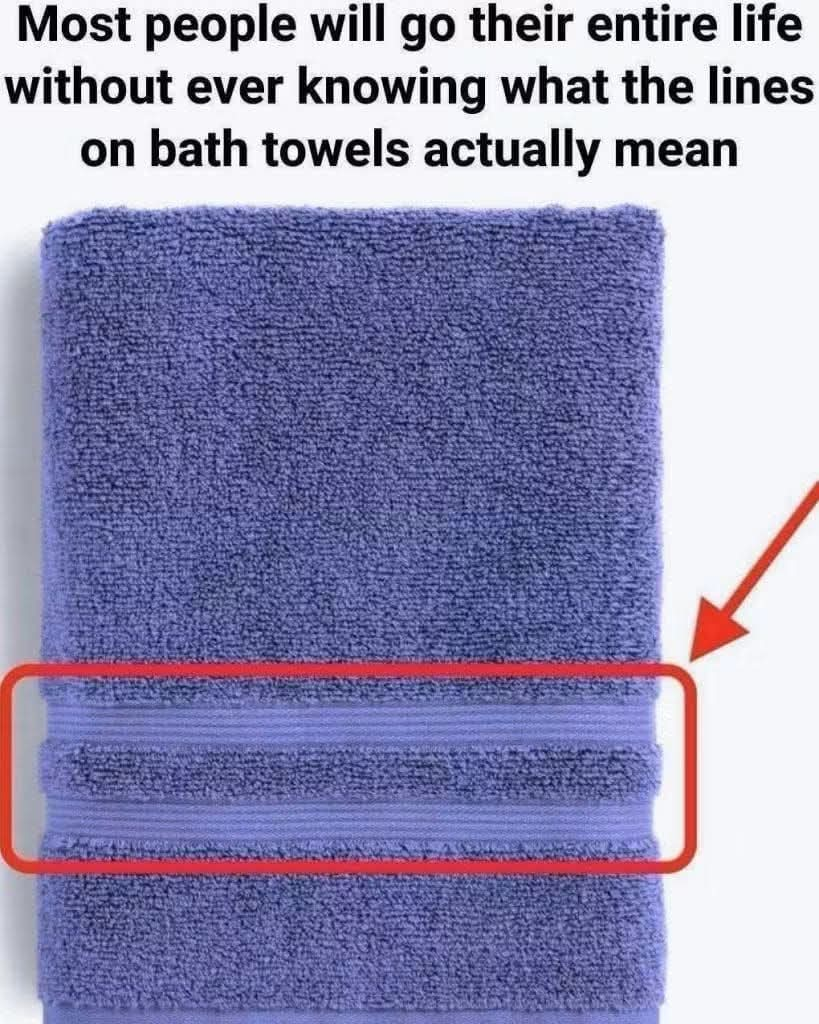
The Bath Towel Lines Mystery: A Complete Guide to the Dobby Border
Introduction
You’ve folded them a thousand times. You’ve wrapped yourself in them after countless showers. But have you ever paused to wonder about those distinct woven lines running near the ends of your bath towels? Most people assume they are purely decorative—a simple design choice to break up the expanse of terry cloth. However, these lines, known in the textile industry as dobby borders, are actually a fascinating piece of functional engineering with a history stretching back to the 19th century. This guide will unravel everything about the dobby border: what it is, why it exists, how it’s made, and what it means for the towel lover in your life.
Ingredients (The Anatomy of a Towel)
To understand the dobby border, you first need to know what a towel is made of. A standard bath towel consists of a few key “ingredients”:
· The Base Fabric (Terry Cloth): This is the main body of the towel, made from cotton (or a cotton-polyester blend). It is woven with uncut loops of thread on both sides, which create the soft, plush surface that absorbs water .
· The Yarn: High-quality towels use long-staple cotton (like Egyptian or Turkish cotton) for softness and durability. The yarn is spun, warped, and sized before weaving .
· The Dobby Border: This is the star of our show. It is a narrow strip woven near the two shorter ends of the towel. Unlike the rest of the towel, this section is flat-woven rather than looped . It often features stripes, checks, or geometric patterns.
Instructions (How the Dobby Border is Formed)
Creating a dobby border isn’t a separate stitching process; it happens right on the loom during the weaving of the towel itself.
- The Dobby Loom Setup: The magic happens on a specialized machine called a dobby loom, invented in 1843. This loom uses a special attachment that allows the weaver to create small, geometric patterns by lifting specific warp threads in a pattern .
- Weaving the Body: The loom weaves the main body of the towel using the standard terry weave, creating those absorbent loops.
- Switching to the Border: As the loom approaches the end of the towel, the mechanism changes. Instead of creating loops, it weaves the yarn tightly and flatly. This denser weave is what creates the visible line or band .
- Finishing: After weaving, the long length of fabric is bleached, dyed, and cut into individual towels. The dobby border is already integrated into the fabric, ready to be hemmed .
Methods (Why It Actually Matters)
So, why go through the trouble of weaving a flat band into a towel? There are several practical methods behind this design:
· Structural Integrity (Shape Retention): The dense, flat weave of the dobby border acts like a corset for the towel. Because terry cloth is loosely woven and prone to stretching, the firm dobby border provides an anchor. It helps the towel hold its rectangular shape and prevents it from shrinking unevenly or curling at the edges after washing .
· Fray Prevention: The cut ends of a terry cloth towel are vulnerable to unraveling. The tight weave of the dobby border reinforces the edge, significantly reducing the risk of fraying and extending the towel’s lifespan, especially in commercial settings like hotels that wash linens frequently .
· Aesthetic Signature: Historically, the dobby border allowed manufacturers to add a touch of class—like a pinstripe or a classic hotel-style band—without the need for expensive embroidery or printing. It served as a subtle brand signature or a mark of quality .
History (From “Draw Boy” to Your Bathroom)
The story of the dobby border is intertwined with the Industrial Revolution.
· The Name: The term “dobby” comes from the old English word “draw boy.” Before automation, a young assistant (the draw boy) would sit atop the loom and manually pull cords to lift the warp threads, creating patterns for the weaver .
· The Loom (1843): The invention of the dobby loom mechanized this process. It allowed weavers to create complex, small-scale geometric patterns much faster and more reliably than before. This innovation made decorative borders affordable and common on fabrics, including the emerging terry cloth towels .
· The Terry Towel Boom: While looped pile fabrics existed in ancient times, the modern terry towel was popularized in the mid-19th century after being brought from Turkey to England. As terry towels became a household staple, the dobby border became a standard feature to add durability and a touch of elegance to these everyday items .
Formation (The Industrial Process)
How does a raw bale of cotton become a towel with a dobby border? The formation involves a series of industrial steps:
- Spinning: Raw cotton is cleaned, straightened, and twisted into yarn.
- Warping & Sizing: The yarn is coated with a starch mixture to strengthen it for the rigors of weaving.
- Weaving (The Dobby Stage): The yarn is fed into the dobby loom. The loom is programmed to weave the main terry body and then switch to the flat dobby weave at the designated intervals.
- Wet Processing: The woven fabric is desized, scoured, bleached, and dyed in large vats to achieve its final color and softness .
- Cutting & Hemming: The fabric is cut to size, and the ends are hemmed. The dobby border sits just inside the hem, providing that reinforced zone .
Conclusion
The next time you grab a towel, take a moment to appreciate the dobby border. It is not merely a decorative stripe; it is a historical artifact of the Industrial Revolution and a piece of smart textile engineering. It is the reason your towel doesn’t look like a rag after a few months of washing. While a towel without a dobby border can still be soft and absorbent, the presence of those lines generally signals a towel designed with longevity and structural stability in mind .
For Towel Lovers (What to Look For)
If you are a connoisseur of fine linens, here is what you should know about dobby borders when shopping:
· Quality Check: Not all dobby borders are created equal. On lower-end towels, the dobby border might shrink faster than the rest of the towel, causing a puckered or bunched look after washing. A high-quality towel will have a dobby border that lays flat and maintains its width .
· It’s Not Everything: Do not use the dobby border as the sole indicator of quality. A luxury towel without a border can outperform a cheap towel with one. Pay more attention to the GSM (grams per square meter) for weight and density, the fiber length (long-staple cotton is better), and the stitching quality on the hem .
· Styling Tip: For a classic, hotel-inspired bathroom look, choose white towels with a simple, contrasting dobby border (like a single navy or grey stripe). It adds a tailored, polished finish that plain towels sometimes lack.
Methods (For the DIY Enthusiast)
If you are a crafter or sewer, here are some methods to work with or replicate the dobby border aesthetic:
· Repairing a Puckered Border: If your dobby border has shrunk, you can try soaking the towel in a fabric softener solution and gently stretching the border area while it is damp, then laying it flat to dry. This can relax the fibers.
· Adding a “Faux” Border: If you have a plain towel that lacks structure, you can sew a strip of sturdy cotton or linen tape across the ends (about 2-3 inches from the edge). Use a strong stitch to mimic the reinforcing function of a dobby border.
· Upcycling: If a towel’s main body is worn out but the dobby border area is still intact, you can cut off the border strips and use them as sturdy, reinforced handles for tote bags or as durable pot holders.