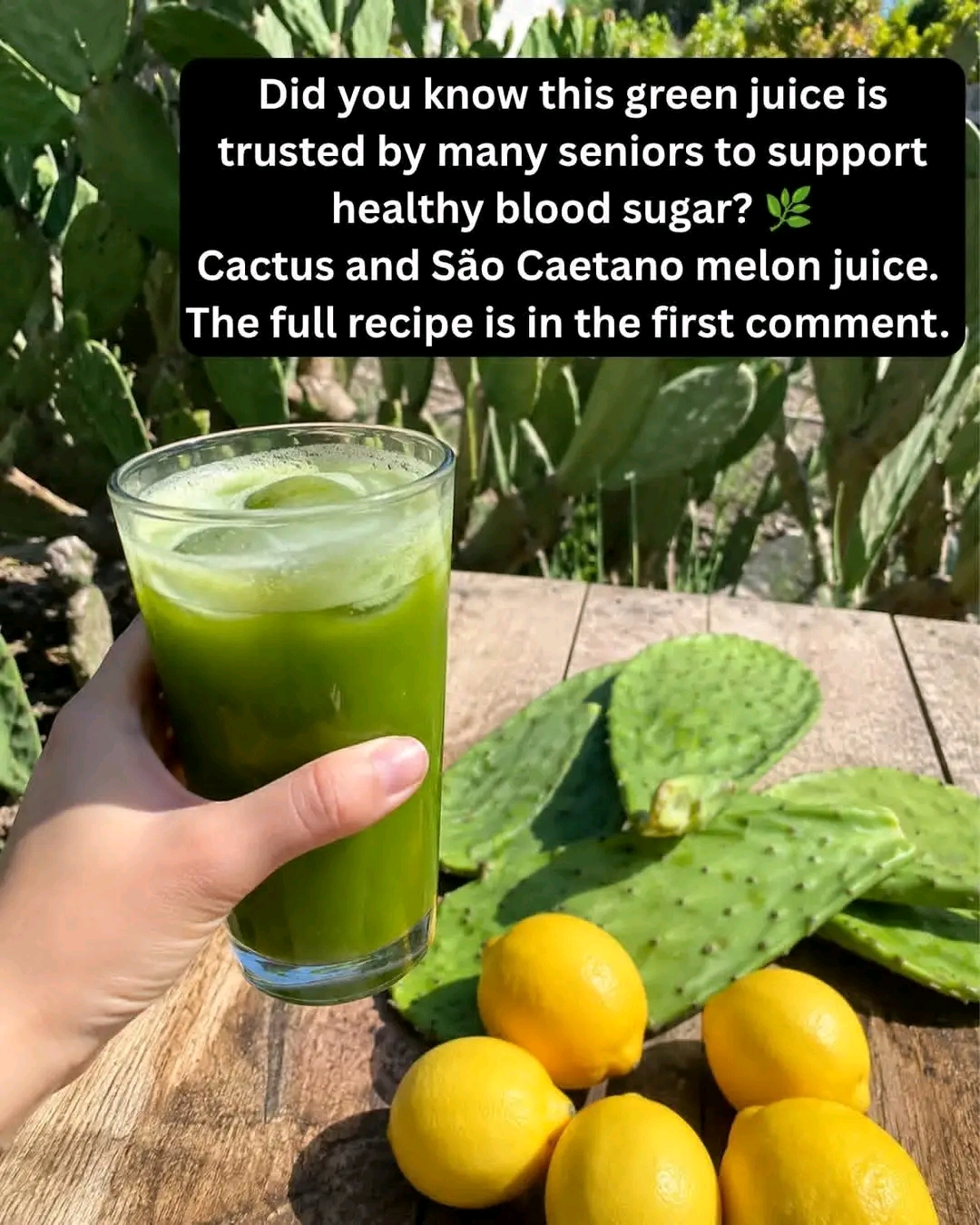
The Gel Flush That Clears the GutNopal works like a biological squeegee. Its mucilage swells in water and turns into a soft internal sweep that grabs onto debris, slows the chaos of fast sugar spikes, and gives the intestines something to push against instead of letting everything slosh around like soup in a broken pipe.That’s the real reason this drink feels different from a random “healthy juice.” Most juices blast sugar into the bloodstream like a fire hose. Nopal changes the speed. It turns a sharp spike into a slower rise, which means your body isn’t getting ambushed every time you drink it.And here’s the part nobody puts on the label: the first thing people notice is not some magical overnight transformation. It’s the quiet stuff. Less belly pressure after meals. Less of that tight, overfilled feeling under the ribs. Fewer moments where your waistband feels like it shrank two inches by lunchtime.Think of your digestive tract like a narrow garden hose with grit stuck inside. Water still moves, but not cleanly. Nopal is the slick, fibrous rinse that helps the flow stop fighting itself. Lemon adds the acid spark that makes the whole thing feel awake instead of dead weight.And yes, that’s exactly why this drink became a folk favorite long before modern wellness pages started recycling it. Wall Street doesn’t build empires around a cactus paddle from your neighbor’s yard. No glossy campaign. No expensive mascot. Just a plant with a job to do.But the gut is only the first place the shift shows up, and the next one is where people get surprised…Why the Blood Sugar Crowd Keeps Watching This DrinkFor people fighting the crash-and-crave cycle, nopal acts like a brake pedal. Fiber slows the pace of digestion, which means your meal doesn’t hit your bloodstream like a dumped bucket of sugar. The body gets a steadier stream of fuel instead of a sudden flood followed by a collapse.That matters for the person who eats breakfast and is starving again by 10:30. It matters for the person who feels shaky, irritable, and weirdly hungry after lunch. It matters for the person who keeps reaching for snacks because their energy drops like a stone the moment they sit down.Picture a room where someone keeps throwing open the windows in the middle of winter. That’s what a fast sugar spike feels like inside the body: a sudden blast, then a cold drop. Nopal changes the draft. It doesn’t slam the door shut. It slows the rush so the system can keep its balance.That’s why the after-feeling is so different. Instead of the jittery “I need something now” sensation, people often describe a calmer, more even kind of hunger. Not fake fullness. Not numbness. Just fewer internal alarms screaming for rescue.And the lemon is not just there for flavor. It adds vitamin C and a bright, acidic edge that makes the drink feel alive, almost electric on the tongue. That sensory snap matters because it nudges people to keep drinking it consistently instead of abandoning it after one bland attempt.But there’s a third layer most people overlook, and it explains why this simple mix shows up in so many wellness routines…The Hydration Lift Your Cells Notice FirstDehydrated cells look and behave like shriveled paper. Everything slows. The skin feels dull, the mouth gets dry, the body feels heavier than it should. Nopal and lemon juice works like a full internal rinse, flooding tired tissue with fluid while the cactus fiber helps that water stay useful instead of rushing straight through you.That’s the difference between drinking something and actually using it. Plain water can disappear fast. This drink gives the body a more structured delivery system, like pouring water into a sponge instead of onto a rock.The sensory clue is obvious the moment it hits the mouth: that cool green thickness, the citrus sting, the faint plant-like smell of fresh cactus. It doesn’t taste like soda pretending to be healthy. It tastes like something alive.And that matters for the person who feels drained by midday, especially in heat, after heavy meals, or during those stretches when the body feels puffy and underfed at the same time. The relief isn’t dramatic. It’s cleaner than that. Less drag. Less heaviness. More space in the system.So when people talk about “wellness,” this is what they’re really chasing: a body that stops fighting every sip, every meal, every hour. A gut that moves. A bloodstream that doesn’t get slammed. Cells that stop looking parched and start behaving like they’ve finally been watered properly.And yes, there’s one small kitchen habit that can wreck the whole effect before it even starts…The One Prep Error That Ruins the Whole GlassBlending nopal the wrong way turns this from a clean internal flush into a slimy, bitter mess. If the paddles aren’t washed properly and the tiny spines aren’t handled correctly, the drink becomes scratchy, unpleasant, and impossible to keep down long enough to matter.Even worse,people drown it in sweeteners and bury the whole mechanism under a sugar blanket. At that point you’ve taken a fiber-rich cactus and turned it into a green dessert with a health halo.The real trick is not making it taste “better.” It’s keeping it effective. Clean cactus. Fresh lemon. Cold water. No kitchen shortcuts that strip away the very thing you came for.And once that part is right, the body starts giving feedback fast enough that you’ll know exactly why this old-school drink keeps surviving every wellness trend that tries to replace it…P.S. The biggest mistake is straining the juice too aggressively or loading it with sweet fruit to mask the texture. That smooth, thin look in the glass can be a trap — it often means you threw away the thick fiber that does the heavy lifting inside your gut. Leave that out, and the drink becomes little more than flavored water with a cactus story attached. The next piece is even more important: the timing that determines whether this drink helps your body or just passes through it.This article is for informational purposes only and does not replace professional medical advice. Please consult your healthcare provider for personalized guidance.