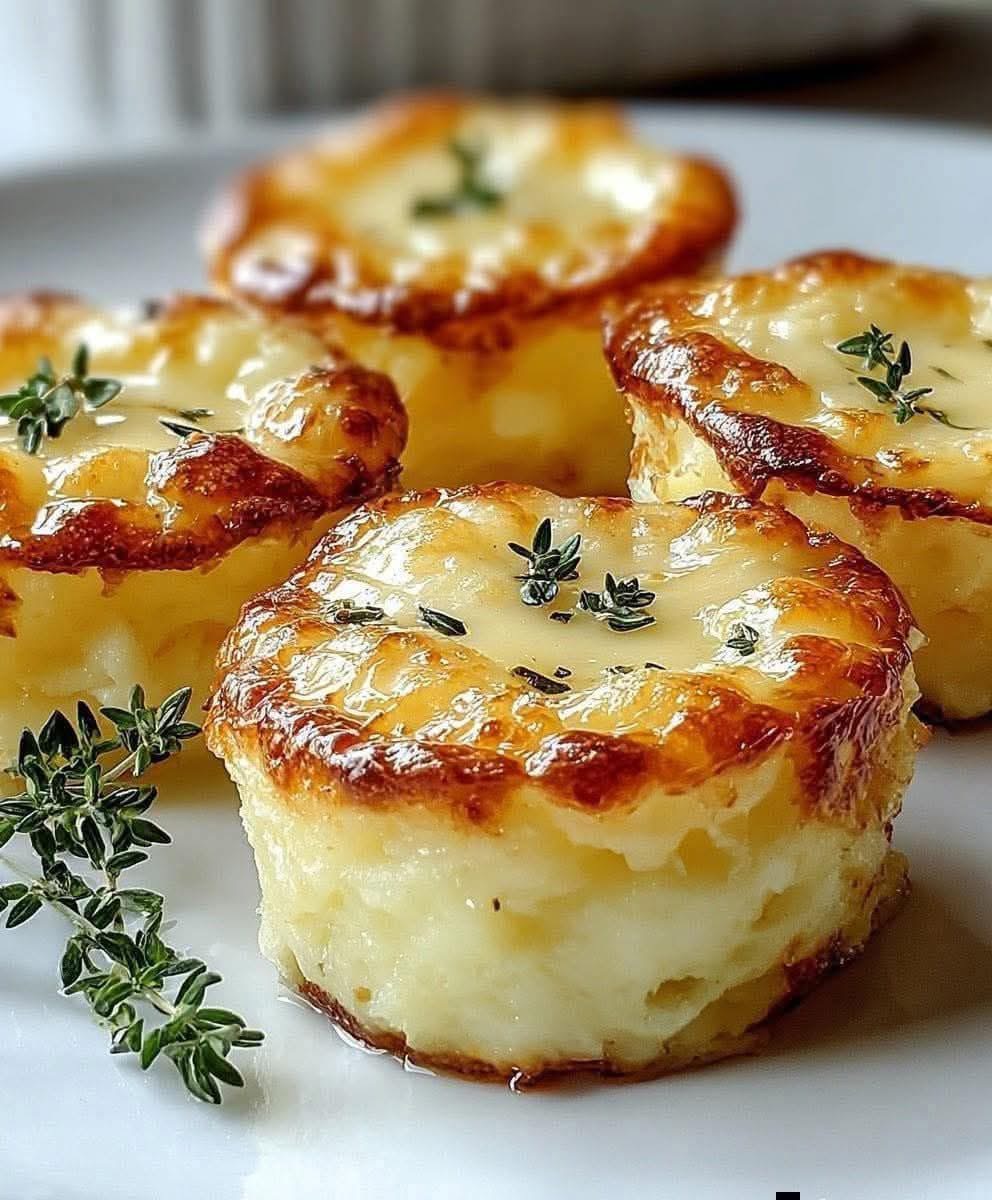
About This Recipe
This recipe presents a classic French fougasse — a Mediterranean flatbread related to Italian focaccia, but shaped like a leaf or an ear of wheat. It is enriched with olive oil, fresh rosemary, and black olives. The dough requires simple ingredients: flour, water, yeast, salt, and olive oil. Traditionally baked in a wood-fired oven, this version adapts to a home oven while maintaining a crisp crust and airy crumb. The surprising leaf-like cuts make it a beautiful centerpiece that feels both rustic and special.
Yield: 1 large fougasse (serves 6–8 as an accompaniment) | Active time: 25 minutes | Total time: approx. 2.5 hours
Why You’ll Love This Recipe
- Surprisingly simple technique – no complicated shaping, just cuts and stretches.
- Visually stunning – the leaf pattern looks like artisan bakery work, but it’s easy.
- Adaptable flavor – you can replace olives with sun-dried tomatoes or add grated cheese.
- Perfect for sharing – tear it apart with loved ones; it’s a delightful, interactive table bread.
- Make-ahead friendly – the dough can be refrigerated slowly overnight for more depth.
Ingredients
- 400 g strong white bread flour (or all-purpose flour, but bread flour gives better chew)
- 260 g lukewarm water (around 30–35 °C)
- 7 g (1 packet) instant yeast or 10 g fresh yeast
- 8 g fine sea salt
- 45 ml extra virgin olive oil, plus extra for drizzling and greasing
- 2 tbsp fresh rosemary leaves, finely chopped
- 80 g pitted Kalamata or black olives, drained and roughly chopped
- Coarse sea salt (like fleur de sel) for sprinkling
Step by Step Instructions
- Mix the dough: In a large bowl, combine the flour and instant yeast. Add the lukewarm water and olive oil. Mix with a wooden spoon until a shaggy mass forms. Cover and let rest for 20 minutes (autolyse).
- Add salt and knead: Sprinkle the salt over the dough. Knead in the bowl for about 8–10 minutes, or turn onto a lightly floured surface and knead until smooth and elastic. The dough should be soft, not sticky. If it sticks, dust with minimal flour.
- First rise (bulk fermentation): Place the dough in a lightly oiled bowl, cover with a damp cloth or plastic wrap. Let rise at room temperature (21–24°C) for about 1 hour, or until doubled in size.
- Incorporate the additions: Gently deflate the dough and turn it onto a lightly oiled surface. Flatten it slightly and scatter the chopped rosemary and olives over the top. Fold the dough over itself a few times to distribute evenly. Be careful not to crush the olives too much.
- Shape and cut: Transfer the dough onto a piece of parchment paper. Gently press/roll it into an oval or rectangle about 1.5–2 cm thick. Using a sharp knife or bench scraper, make a series of slashes in a leaf-vein pattern: a long central cut, then angled cuts on both sides. Gently pull the cuts open with your fingers to create the characteristic holes.
- Second rise (proof): Slide the parchment with the shaped fougasse onto a baking sheet or inverted tray. Cover loosely with oiled plastic wrap. Let rise for 45–60 minutes, until puffy but not overly airy.
- Preheat oven and bake: About 30 minutes before baking, place a pizza stone or heavy baking steel in the oven (or use a heavy baking sheet). Preheat to 230°C (450°F). Just before baking, drizzle the fougasse lightly with olive oil and sprinkle with coarse sea salt and a few extra rosemary leaves.
- Bake with steam: Slide the fougasse (still on parchment) onto the hot stone. Toss a few ice cubes into a small pan at the bottom of the oven, or spray water quickly. Bake for 14–18 minutes until deep golden brown and crisp. Cool on a wire rack for at least 20 minutes before serving.
FAQ
Can I use dried rosemary instead of fresh?
Fresh rosemary is preferred for its texture and mild aroma. If you only have dried, reduce to 2 teaspoons and crush it slightly. Be aware that dried rosemary can be a bit sharp.
My dough is very sticky — what should I do?
Flour absorbency varies. If it’s too sticky after the first mix, add flour 1 tablespoon at a time during kneading, but remember that a slightly tacky dough (not sticky wet) yields a lighter texture. Avoid adding excessive flour.
Can I make this gluten-free?
This recipe relies on wheat gluten for structure. A gluten-free blend would require a different hydration and binder. We recommend finding a dedicated gluten-free focaccia recipe instead of adapting this one directly.
Why do I need to create steam in the oven?
Steam keeps the crust soft during the first minutes of baking, allowing maximum expansion. It also contributes to a glossy, crackly crust. If you don’t have a steam setup, you can simply brush the loaf with water halfway through baking.
You Must Know
Dough temperature matters. For consistent rising, the final dough temperature should be around 24–26°C. If your kitchen is cold, use slightly warmer water; if it’s hot, use cooler water.
Do not overproof the fougasse after shaping: because it is a flat bread, overproofing can lead to a collapsed, dense texture. It should be noticeably puffy but still hold the cut shapes well.
Customize the topping: The surprise element can be enhanced by adding a sprinkle of flaky sea salt and fresh herbs just before serving. Some bakers add a light smear of garlic oil after baking for extra savoriness. Always serve it warm or at room temperature the day it’s baked for optimal texture.
Storage Tips
- Short term (same day): Keep the fougasse uncovered or in a paper bag if you want to preserve crust crispness. Avoid plastic bags — they soften the crust.
- Overnight: Store in a partially open paper bag at room temperature. Next day, refresh in a 180°C oven for 5–7 minutes to restore crispness.
- Freezing: Wrap the fully cooled fougasse tightly in foil, then place in a freezer bag. Freeze for up to 2 months. Thaw at room temperature, then reheat in the oven at 200°C for 6–8 minutes.
- Leftover ideas: Slightly stale fougasse makes excellent breadcrumbs, crunchy croutons, or can be grilled as panzanella base.
※ This recipe uses only factual, classic fougasse techniques. The delightful surprise comes from the aromatic olive-rosemary combination and the hand-crafted leaf shape — a simple way to show you care.