🌙 Diabetes Symptoms at Night: 7 Warning Signs of High Blood Sugar
Introduction
Have you ever wondered why you wake up repeatedly during the night feeling thirsty, needing to urinate, or feeling unusually tired?
These symptoms can have many causes, but frequent nighttime urination and excessive thirst can occur when blood glucose is too high. Other possible signs include blurry vision, fatigue, unexplained weight loss, increased hunger, and tingling or numbness in the hands or feet.
Importantly, experiencing one of these symptoms does not automatically mean you have diabetes. A blood glucose test is needed to determine whether someone has diabetes or prediabetes.
🥗 The “Nighttime Blood-Sugar Support” Recipe
This isn’t a cure or a treatment for diabetes. It is a simple, balanced evening meal designed around vegetables, protein, fiber, and moderate carbohydrates.
Ingredients
- 120–150 g grilled chicken breast, fish, tofu, or beans
- 1 cup cooked non-starchy vegetables such as broccoli, zucchini, spinach, or green beans
- ½ cup cooked lentils, chickpeas, or another high-fiber carbohydrate
- 1 tablespoon extra-virgin olive oil
- 1 tablespoon lemon juice
- 1 small garlic clove, finely minced
- Fresh parsley or coriander
- Black pepper
- A small pinch of salt
- Water or an unsweetened drink
Optional additions
- Cucumber
- Tomato
- Lettuce
- A small portion of plain unsweetened yogurt
- A few walnuts or almonds
👩🍳 Instructions
Step 1 — Prepare the protein
Season the chicken, fish, tofu, or beans with garlic, black pepper, lemon juice, and a small amount of salt.
Grill or cook until thoroughly done.
Step 2 — Prepare the vegetables
Steam or lightly sauté the vegetables until tender but still slightly crisp.
Avoid turning the vegetables into a heavily sweetened or creamy dish.
Step 3 — Add fiber
Serve approximately ½ cup of cooked lentils or chickpeas alongside the vegetables.
Fiber can help make a meal more filling and can slow the digestion of carbohydrates.
Step 4 — Finish the plate
Add the cooked protein and vegetables to a plate.
Drizzle with approximately one tablespoon of olive oil and fresh lemon juice.
Step 5 — Keep the drink simple
Choose water or another unsweetened beverage rather than soda, sweetened juice, or sugary drinks. The CDC specifically recommends water instead of juice or soda for blood-sugar management.
🌙 Method for a Better Evening Routine
A healthy dinner is only one part of managing blood glucose.
Try to:
- Eat regular meals rather than repeatedly skipping meals.
- Keep portions appropriate for your individual diabetes plan.
- Choose vegetables, lean proteins, and fiber-rich foods.
- Limit foods and drinks containing large amounts of added sugar.
- Stay physically active according to your healthcare professional’s advice.
- Drink water regularly.
- Follow your prescribed diabetes medicines exactly as directed.
- If you monitor glucose, keep a record of your evening and bedtime readings.
The CDC notes that common times for checking glucose can include before meals, two hours after the beginning of a meal, and at bedtime, although the appropriate schedule depends on the individual.
🔎 The 7 Nighttime Warning Signs
1. 🚽 Waking up repeatedly to urinate
One of the classic signs associated with high blood glucose is frequent urination.
When glucose levels become high, the kidneys work to remove excess glucose through urine. This can increase urine production and may lead to nighttime bathroom trips.
2. 💧 Extreme thirst
If you’re repeatedly waking up with a very dry mouth or intense thirst, pay attention.
Increased urination can contribute to fluid loss, which can make you thirsty. Increased thirst is one of the recognized symptoms of diabetes and hyperglycemia.
3. 😴 Feeling unusually tired
High blood glucose can interfere with the body’s ability to use glucose efficiently for energy.
Nighttime thirst, frequent urination, and disrupted sleep can also contribute to tiredness.
Persistent or unexplained fatigue is a recognized symptom associated with diabetes.
4. 👁️ Blurry vision
Temporary blurry vision can occur when blood glucose levels change.
If you repeatedly notice blurry vision, particularly together with increased thirst and urination, it is worth discussing with a healthcare professional.
5. 🍽️ Unusual hunger
Increased hunger can occur among the symptoms of diabetes.
Feeling hungry shortly after eating doesn’t necessarily mean your blood sugar is high, however, because appetite can be affected by many different factors.
6. ⚖️ Losing weight without trying
Unexplained weight loss can be a warning sign of diabetes, particularly when accompanied by excessive thirst and frequent urination.
Unexpected weight loss should be medically evaluated rather than treated with a home remedy.
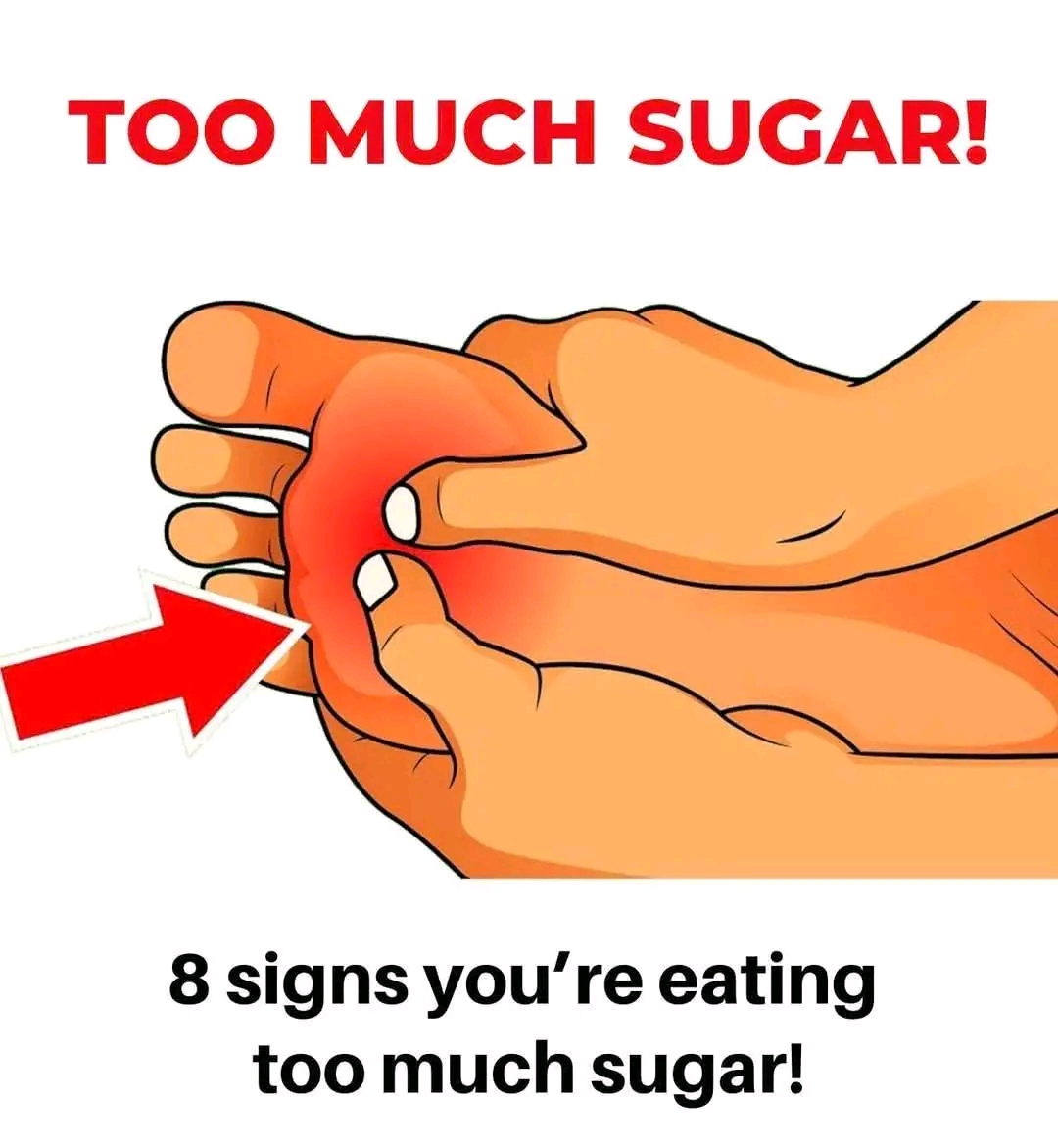
7. 🦶 Tingling, numbness, or other unusual sensations
Numbness or tingling in the hands or feet can occur with diabetes.
However, these sensations have many possible causes, so they should not be used by themselves to diagnose high blood sugar.
🕰️ Why Can Symptoms Seem Worse at Night?
The body does not suddenly develop high blood sugar simply because the clock reaches 10 p.m.
Instead, nighttime can make certain symptoms more noticeable. For example, repeated urination interrupts sleep, thirst becomes noticeable when you’re awake, and glucose patterns can vary overnight.
Some people with diabetes can also experience a rise in glucose during the early morning hours because of hormonal changes, sometimes called the dawn phenomenon.
📜 A Brief History of Diabetes Awareness
Diabetes has been recognized for thousands of years, but our understanding of the disease has changed dramatically.
Historically, excessive urination and thirst were among the clues physicians used to recognize the condition.
Modern medicine can now measure blood glucose and diagnose diabetes much more accurately. Today, people can use blood glucose meters and continuous glucose monitors to track glucose levels.
🧬 How High Blood Sugar Forms
Normally, insulin helps glucose move from the bloodstream into cells where it can be used for energy.
Hyperglycemia occurs when there is too little insulin or when the body cannot use insulin effectively. It can also be influenced by eating more than planned, insufficient activity, illness, or stress.
When glucose remains elevated, the kidneys may begin removing more glucose through urine. This contributes to increased urination and thirst.
❤️ Who Should Pay Attention?
Anyone experiencing several of these symptoms repeatedly should consider speaking with a healthcare professional.
This is particularly important if symptoms include:
- Frequent nighttime urination
- Excessive thirst
- Unexplained weight loss
- Persistent fatigue
- Blurry vision
- Increased hunger
- Tingling or numbness
Remember: some people with type 2 diabetes have few or no noticeable symptoms, which is why testing is important.
🚨 Important Safety Warning
Do not try to treat very high blood sugar with a homemade drink, herb, tea, or recipe instead of prescribed medical care.
Very high glucose can sometimes progress to diabetic ketoacidosis (DKA), a serious and potentially life-threatening condition.
Warning signs include:
- Very intense thirst
- Frequent urination
- Nausea or vomiting
- Abdominal pain
- Fruity-smelling breath
- Deep or difficult breathing
- Severe tiredness
- Confusion
If someone has multiple DKA symptoms, particularly vomiting or breathing difficulty, urgent medical attention is needed.
🌿 Final Method
Think of this guide as a healthy evening routine, not a diabetes cure.
A balanced plate, regular physical activity, appropriate glucose monitoring, adequate hydration, and taking prescribed medicines correctly can all play a role in diabetes management.
If you repeatedly wake after 10 p.m. with intense thirst, frequent urination, blurry vision, unusual fatigue, or other symptoms, don’t simply assume it’s normal aging or poor sleep.
Get your blood glucose checked and discuss the symptoms with a healthcare professional.
Conclusion
Nighttime symptoms can sometimes provide an important clue that something is happening with your blood glucose—but they cannot diagnose diabetes on their own.
The most important “recipe” is not a miracle drink. It is awareness + appropriate testing + healthy food choices + physical activity + proper medical care.
Take your symptoms seriously, but don’t panic. A simple blood glucose test can provide much more useful information than guessing from symptoms alone.
❤️ For the lovers of healthy living
Share this guide with someone who frequently wakes during the night feeling thirsty or needing to use the bathroom.
Your health is worth checking—not guessing.