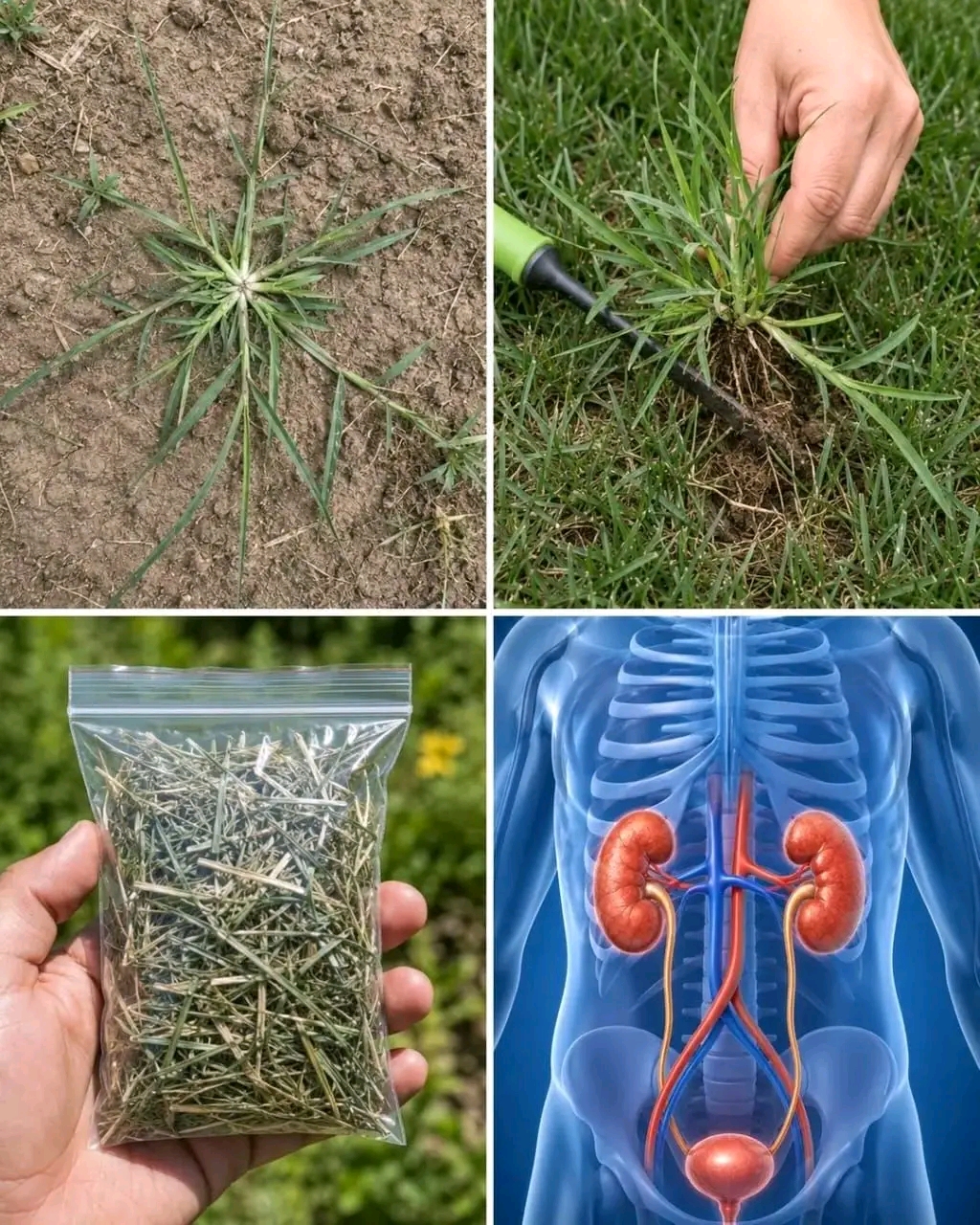
🌿 Goosegrass Herb Soup — A Traditional Wild-Green Recipe
Introduction
Goosegrass, also known as cleavers, bedstraw, stickyweed, or Galium aparine, is a familiar wild plant that grows in hedges, gardens, fields, and along paths. Its tiny hooked hairs make it famously “sticky,” allowing the stems and leaves to cling to clothing and animal fur.
Young goosegrass shoots can be incorporated into cooking, particularly when they are tender. Cooking softens their texture and makes them much more pleasant to eat.
This rustic soup combines tender goosegrass with potato, onion, garlic, and herbs for a simple bowl of seasonal comfort.
🥬 Ingredients
Serves 4–6
- 2 packed cups young, tender goosegrass shoots
- 3 medium potatoes, peeled and diced
- 1 large onion, chopped
- 2 cloves garlic, minced
- 1 carrot, diced
- 1 tablespoon olive oil or butter
- 5 cups vegetable or chicken stock
- ½ teaspoon black pepper
- ½ teaspoon salt, or to taste
- ½ teaspoon dried thyme
- 1 bay leaf
- ½ cup milk or cream, optional
- 1 tablespoon lemon juice, optional
- Fresh parsley for serving
- Crusty bread, to serve
Preparation
- Identify carefully. Use only young goosegrass that you can confidently identify as Galium aparine.
- Pick tender shoots rather than tough, mature stems.
- Remove damaged leaves and thick stems.
- Wash the greens extremely well in several changes of cold water.
- Blanch the goosegrass in boiling water for about 2–3 minutes.
- Drain and cool it under cold running water.
- Squeeze out excess water and chop finely.
Blanching is especially useful here because mature goosegrass can have an unpleasantly coarse, clingy texture.
🍲 Cooking Method
- Heat the olive oil or butter in a large pot.
- Add the onion and carrot.
- Cook gently for 5–7 minutes, until the vegetables begin to soften.
- Add the garlic and cook for another 30 seconds.
- Add the diced potatoes and thyme.
- Pour in the stock.
- Add the bay leaf and black pepper.
- Bring everything to a gentle boil.
- Reduce the heat and simmer for approximately 15–20 minutes, until the potatoes are tender.
- Add the prepared goosegrass.
- Simmer for another 5 minutes.
- Remove the bay leaf.
- Blend part or all of the soup until you reach your preferred consistency.
- Stir in milk or cream if desired.
- Add a small squeeze of lemon juice to brighten the flavor.
- Taste and adjust the seasoning.
Serve hot with fresh parsley and warm crusty bread.
🌿 Another Traditional Method: Goosegrass Pesto
Young goosegrass can also be used in a pesto-style preparation.
Combine:
- 1 cup blanched young goosegrass
- ½ cup fresh parsley
- ⅓ cup olive oil
- ¼ cup grated Parmesan
- 2 tablespoons toasted walnuts or almonds
- 1 small garlic clove
- A squeeze of lemon juice
- Salt and pepper
Blend until fairly smooth. Toss a small amount with pasta, potatoes, vegetables, or toasted bread.
📜 History and Formation
Goosegrass is a member of the Rubiaceae family, the same broad plant family that includes bedstraws and coffee. Its botanical name, Galium aparine, reflects its long-standing place in European traditional plant knowledge.
The common name cleavers comes from the plant’s ability to cling to surfaces. The tiny hooked hairs on its stems and leaves attach themselves to fur, clothing, and other materials, helping the plant disperse its seeds.
Historically, people have found many practical uses for wild plants like goosegrass, including culinary and household applications. Traditional uses, however, should not be confused with scientifically established medical treatments.
❤️ Why People Love This Recipe
This soup is especially appealing because it is:
- 🌿 A creative way to use tender seasonal greens
- 🥔 Filling and comforting
- 🧄 Fragrant from garlic and onion
- 🍋 Freshened by a little lemon
- 🥣 Easy to prepare in one pot
- 🍞 Delicious with rustic bread
⚠️ Important Safety Note
Do not eat a wild plant simply because it resembles goosegrass. Correct identification is essential. Avoid plants collected beside roads, treated lawns, agricultural fields, or areas exposed to animal waste or pesticides.
Also, avoid consuming large quantities of unfamiliar wild greens. If you are pregnant, breastfeeding, taking medication, or have a medical condition, check with a qualified healthcare professional before deliberately consuming wild plants.
Conclusion
Goosegrass may look like an ordinary garden nuisance, but its long history as a recognizable wild plant makes it an interesting ingredient for adventurous cooks. When the young shoots are correctly identified, thoroughly cleaned, and properly cooked, they can become part of a simple seasonal soup or pesto-style dish.