🏡 A Recipe Inspired by a 1907 House: Old-Fashioned Beef & Vegetable Stew
Introduction
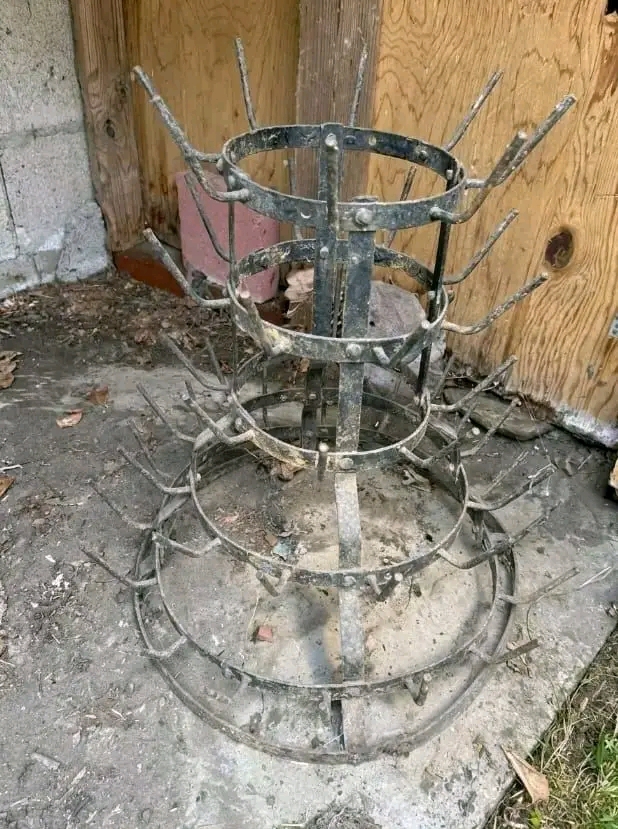
Finding an unusual object inside a house built in 1907 can make you wonder about the people who lived there, the meals they prepared, and the traditions they passed down.
A hearty beef and vegetable stew is the perfect recipe to accompany that kind of discovery. It uses simple ingredients that would have been familiar in many early-20th-century kitchens: beef, onions, potatoes, carrots, herbs, and a flavorful broth.
It isn’t a claim that this particular dish was cooked in that house—but it certainly captures the comfort-food spirit of an old-fashioned home.
🥩 Ingredients
- 1½ lb (700 g) beef chuck, cut into bite-size pieces
- 2 tablespoons flour
- 2 tablespoons vegetable oil
- 1 large onion, chopped
- 3 cloves garlic, minced
- 4 carrots, sliced
- 4 medium potatoes, peeled and cubed
- 2 celery stalks, sliced
- 4 cups beef broth
- 1 tablespoon tomato paste
- 1 teaspoon dried thyme
- 1 teaspoon dried parsley
- 1 bay leaf
- 1 teaspoon salt, or to taste
- ½ teaspoon black pepper
- 1 cup frozen peas
- 1 tablespoon Worcestershire sauce, optional
- Fresh parsley for serving
👩🍳 Instructions
1. Prepare the beef
Pat the beef dry and season it with salt and pepper. Toss lightly with flour.
2. Brown the meat
Heat the oil in a large heavy pot over medium-high heat. Brown the beef in batches so the pieces develop a deep, flavorful crust.
Remove the beef and set aside.
3. Cook the vegetables
Add the onion and celery to the same pot. Cook for about 5 minutes until softened. Add the garlic and cook for another 30 seconds.
4. Build the stew
Stir in the tomato paste. Return the browned beef to the pot and pour in the beef broth.
Add the thyme, parsley, bay leaf, and Worcestershire sauce if using.
5. Simmer slowly
Bring everything to a gentle simmer. Cover and cook for about 1½ hours, stirring occasionally.
6. Add potatoes and carrots
Add the potatoes and carrots. Continue cooking for another 30–40 minutes, or until the beef is tender and the vegetables are cooked through.
7. Finish
Stir in the peas during the final 5 minutes. Taste and adjust the salt and pepper.
Remove the bay leaf before serving.
🍲 Traditional Cooking Method
The secret to a great old-fashioned stew is slow cooking.
The beef becomes tender while the vegetables gradually release their flavors into the broth. Browning the meat first creates a richer flavor, while the long simmer gives the finished dish its characteristic hearty texture.
For an even more rustic result, cook it in a heavy Dutch oven and serve it with thick slices of crusty bread.
📜 A Little History
Stews have existed in many cultures for centuries because they are an economical way to turn inexpensive cuts of meat and readily available vegetables into a filling meal.
By the early 1900s, home cooks commonly relied on practical dishes that could feed an entire family. A large pot of simmering meat, potatoes, onions, and vegetables was exactly the sort of meal associated with traditional home cooking.
A house dating to 1907 therefore provides a wonderful backdrop for this style of recipe—even though the mystery object itself may have nothing to do with cooking.
🏠 The Mystery Object
As for the item found in the house, a photograph or several clear photographs would be needed to make a reasonable guess.
For identification, the most useful photos would show:
- The entire object
- Its top and bottom
- Any markings, numbers, or lettering
- Close-ups of unusual parts
- Its approximate size
- What material it appears to be made from
- Where in the 1907 house it was discovered
Those details can sometimes reveal whether an old object was a household tool, architectural fitting, kitchen implement, electrical component, hardware item, or something completely different.
❤️ For Lovers of Old-Fashioned Cooking
This stew is for anyone who loves recipes that feel like they belong around a large family table—simple ingredients, slow cooking, rich aromas, and food meant to be shared.
Serve it with homemade bread, biscuits, or a simple green salad.
Conclusion
A mysterious object hidden in a 1907 house is a little piece of history waiting to be understood. And while we shouldn’t guess too confidently without seeing it, we can still celebrate the era with food inspired by traditional home cooking.
One old house, one mystery, and one comforting pot of stew—that’s a pretty good recipe for a trip into the past. ❤️
And if you upload a photo of the object, I can help you work out what it might be.