What Does the Color of Your Urine Say About Your Health?
🌿 Introduction
Urine is mostly water, along with waste products and substances filtered from your blood by the kidneys. Its color can naturally change throughout the day depending on how much you drink, what you eat, medications, supplements, and your overall health.
The most common healthy color is pale yellow to straw-colored. Darker yellow often means your urine is more concentrated, commonly because you need more fluids.
🥤 “Ingredients” for Healthy Urine
- 💧 Water and other healthy fluids
- 🥒 Water-rich vegetables such as cucumber
- 🍉 Water-rich fruits such as watermelon
- 🍊 Fruits and vegetables providing normal dietary nutrients
- 🥗 A balanced diet
- 🧂 Moderate salt intake
- ☕ Moderate caffeine and alcohol consumption
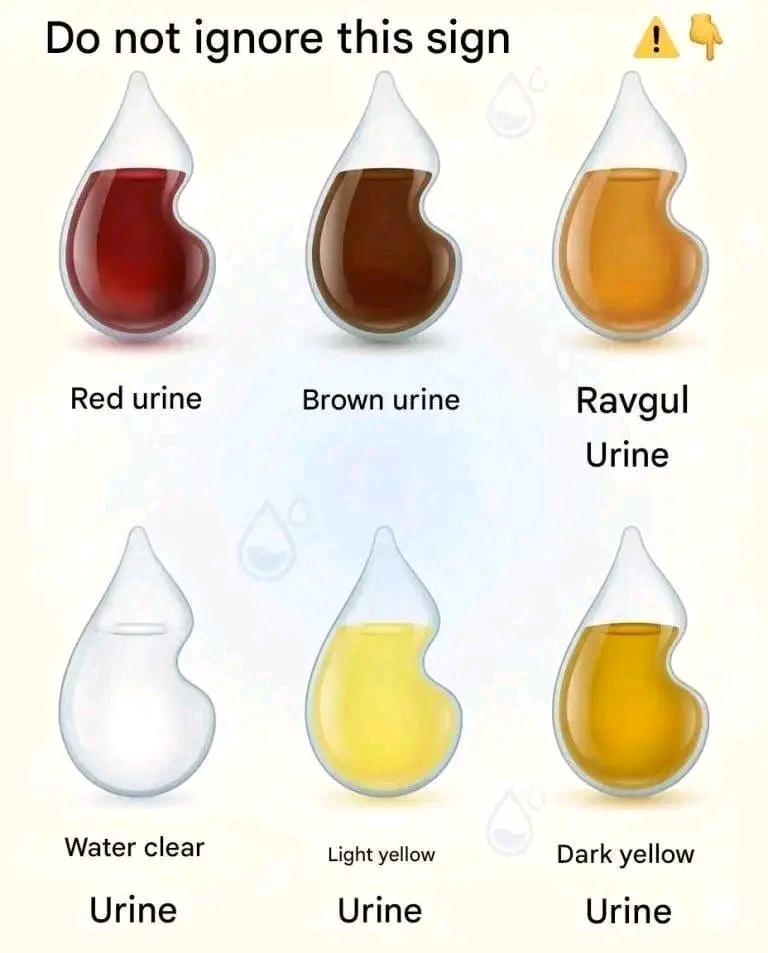
🌈 Urine Color Guide
💛 Pale yellow:
Usually a normal sign of good hydration.
🟡 Dark yellow or amber:
Often indicates concentrated urine and may occur when you haven’t had enough fluids. Drink water and see whether the color becomes lighter.
🟠 Orange:
Can sometimes result from dehydration, certain medicines, or foods. If it persists or occurs with other symptoms, speak with a healthcare professional.
🩷 Pink or red:
May come from foods such as beetroot, but it can also indicate blood in the urine. Unexplained red or pink urine deserves medical evaluation.
🟤 Brown or tea-colored:
Can occur with severe dehydration or certain medicines/foods, but may also be associated with liver, kidney, or muscle problems. Persistent brown urine should be checked by a clinician.
💚 Green or blue:
Uncommon. Certain dyes, medications, foods, or infections can occasionally cause these colors. Persistent unusual coloring should be evaluated.
☁️ Cloudy or milky:
Can occur from crystals or other harmless causes, but cloudy urine accompanied by burning, pain, fever, or a strong odor can be associated with a urinary infection.
🍵 Simple Hydration Method
Instead of trying to “cleanse” your kidneys with a special drink, use a simple hydration routine:
- Start the morning with a glass of water.
- Drink regularly throughout the day rather than waiting until you’re extremely thirsty.
- Eat water-rich foods such as melon, cucumber, oranges, and soups.
- Increase fluids when you’re sweating heavily or exercising.
- Check your urine occasionally: pale yellow is generally a useful sign that you’re hydrated.
- Don’t force excessive amounts of water; too much water can also be dangerous.
📜 A Little History
People have observed urine for centuries. Before modern laboratory testing, physicians examined its color, clarity, smell, and sometimes taste as part of medical assessment. Some historical practices were unreliable, but visual examination of urine remains useful today as a basic observation—especially when combined with modern urine testing.
🧪 Formation of Urine
Urine is formed in the kidneys through several processes:
1. Filtration:
Blood passes through tiny filtering structures in the kidneys.
2. Reabsorption:
The body takes back useful substances and much of the water.
3. Secretion:
Additional waste products and substances are moved into the developing urine.
4. Excretion:
The finished urine travels through the ureters to the bladder and eventually leaves the body.
The yellow color comes largely from urochrome/urobilin pigments produced during the body’s breakdown of hemoglobin.
❤️ For the Lovers of Natural Health
If you love simple, natural approaches to wellness, remember that the best “kidney recipe” isn’t a miracle drink. It’s a combination of:
water + balanced nutrition + reasonable activity + avoiding unnecessary substances + regular medical care when symptoms appear.
⚠️ When Not to Ignore Urine Changes
Seek medical advice if you notice:
- Blood or unexplained red urine
- Persistent brown or very dark urine
- Pain or burning while urinating
- Fever or chills
- Severe back or side pain
- Very little urine despite drinking normally
- Persistent unusual color without an obvious dietary or medication explanation
🌟 Conclusion
Urine color can provide a small window into hydration and general health, but it shouldn’t be used as a diagnosis. Pale yellow is commonly normal, while darker urine often means it is more concentrated. Unusual or persistent colors—particularly red, brown, or urine accompanied by pain or fever—shouldn’t be ignored.
The best “recipe” is simple: listen to your body, stay reasonably hydrated, and get medical advice when something doesn’t look or feel right.