In the rapidly expanding world of natural wellness and herbal remedies, guava leaves (Psidium guajava) have emerged as a major focal point for health enthusiasts and researchers alike. While the sweet, tropical fruit of the guava tree is celebrated globally for its high vitamin C content, the glossy green leaves have quietly served as a cornerstone of traditional medicine across Asia, Africa, and Latin America for centuries. Recently, viral internet trends and infographics have brought these ancient leaves into the digital spotlight, sparking intense curiosity about their therapeutic limits. To unlock the genuine power of this botanical asset without falling prey to internet exaggeration, we must analyze it through a rigorous, scientific lens. For digital publishers and web creators, presenting an objective, well-researched perspective on herbal supplements is crucial not only for reader trust but also for maintaining strict compliance with digital publishing policies regarding health claims. This extensive guide provides an exhaustive, science-backed exploration of the biochemical profile, verified health benefits, traditional preparations, and safety guidelines of guava leaves, helping you understand exactly what this incredible plant can do for the human body.
The Biochemical Architecture of Guava Leaves
To understand the physiological impact of guava leaf extracts, one must first look at the complex matrix of phytochemicals packed within their cellular walls. Guava leaves are essentially a concentrated reservoir of secondary metabolites—compounds that the plant produces to protect itself from environmental stressors, ultraviolet radiation, and microbial pests. When harvested, dried, and brewed, these compounds transfer into a highly bioavailable liquid form that interacts dynamically with various biological systems inside the human body.
The Abundance of Polyphenols and Flavonoids
The primary therapeutic strength of guava leaves stems from an exceptionally high concentration of polyphenolic compounds and flavonoids, most notably quercetin, avicularin, guaijaverin, and kaempferol. Quercetin, in particular, is a potent antioxidant widely studied for its ability to stabilize cellular membranes and modulate inflammatory pathways. These flavonoids act as highly efficient free radical scavengers, roaming the bloodstream to neutralize unstable oxygen molecules before they can cause oxidative stress to cellular DNA. By maintaining a high concentration of these antioxidants, guava leaf extracts help mitigate the cumulative cellular damage that underpins the aging process and chronic tissue degeneration.
Tannins and Essential Oils
In addition to flavonoids, guava leaves contain a high percentage of tannins—astringent substances that give guava leaf tea its characteristically robust, slightly bitter taste profile. Tannins possess strong antimicrobial and protein-binding properties, which explain the traditional use of the leaves in soothing irritated mucosal linings across the digestive tract. The leaves also yield a complex essential oil profile rich in caryophyllene, limonene, and alpha-pinene. These volatile oils contribute not only to the therapeutic aroma of the brewed tea but also exhibit localized antiseptic qualities that support oral health and skin hygiene when applied topically.
Evaluating the Research: Cellular Health and Longevity
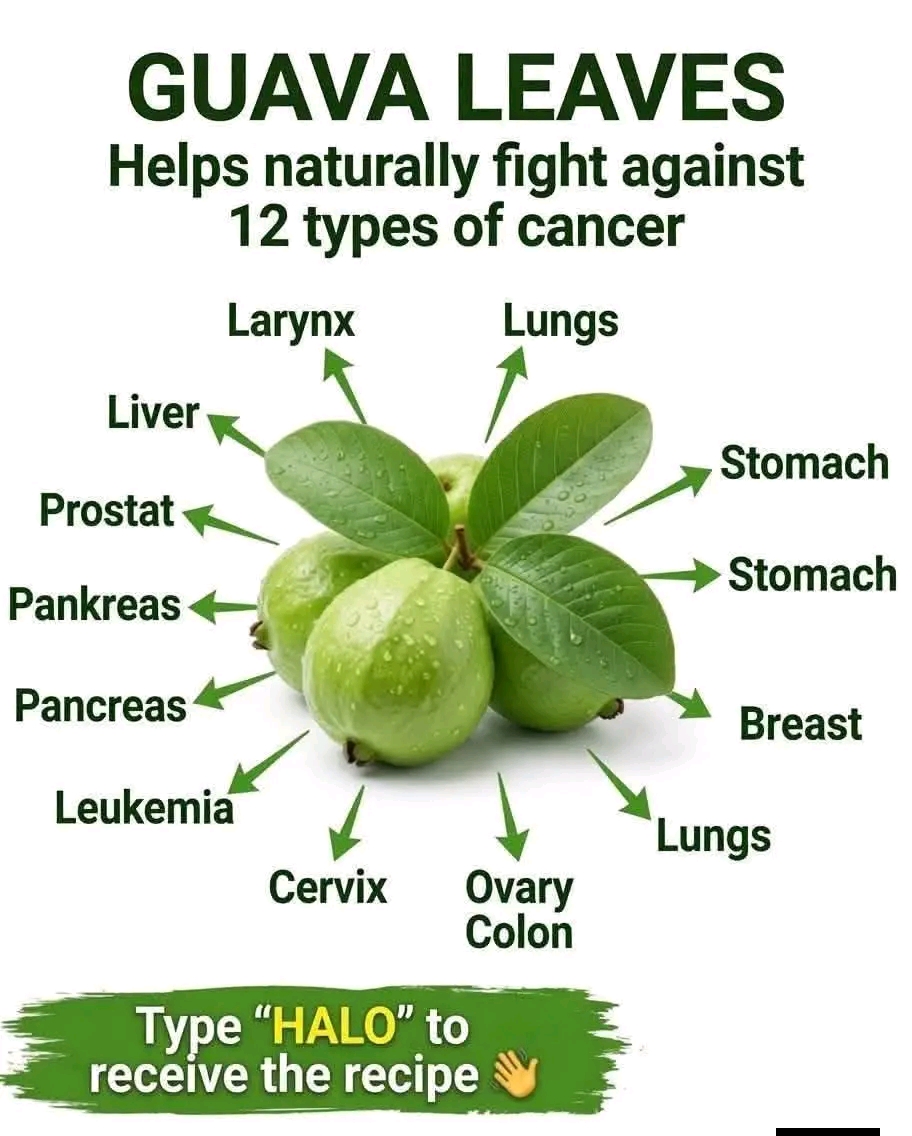
With the rise of social media health platforms, infographics frequently circulate claiming that guava leaves can directly cure or naturally fight complex medical conditions, such as twelve distinct types of cancer. When publishing health content online, it is vital to address these viral claims with direct clarity and peer-reviewed reality to keep your platform grounded and compliant with search engine quality standards. While laboratory studies show promising results regarding cellular health, understanding the difference between a test tube and a human body is essential.
In Vitro Studies vs. Clinical Reality
Medical researchers have frequently utilized guava leaf extracts in “in vitro” environments—meaning controlled laboratory experiments conducted on isolated cellular cultures inside test tubes or petri dishes. In these specific settings, highly concentrated doses of guava leaf polyphenols have demonstrated a remarkable ability to inhibit the proliferation of various aberrant cells, including those associated with lung, liver, prostate, and breast lineages. The plant’s active compounds work in the lab by down-regulating specific signaling pathways required for abnormal cell division and inducing apoptosis, which is the pre-programmed self-destruction of damaged cells. However, these laboratory successes do not mean that drinking a cup of guava leaf tea serves as a clinical treatment or preventative measure for complex systemic diseases. Human biology involves complex digestive, metabolic, and circulatory systems that alter how these compounds are absorbed. Presenting guava leaves as a supportive, antioxidant-rich dietary addition rather than a primary medical solution ensures your content remains both legally safe and scientifically accurate.
The Role of Free Radical Scavenging in Chronic Disease Prevention
Rather than viewing guava leaves as a direct cure for specific diseases, modern nutritional science views them as a powerful preventative tool against systemic oxidative stress. Chronic inflammation and oxidative damage to cellular structures are universally recognized as foundational drivers for metabolic syndrome, cardiovascular decline, and cellular mutations. The intense free radical scavenging capability of guava leaf flavonoids helps reduce this baseline oxidative burden. By lowering the amount of cellular wear and tear occurring daily throughout your organs, a regular intake of antioxidant-rich botanicals like guava leaf tea helps cultivate an internal environment that supports long-term cellular resilience and natural longevity.
Key Verified Health Benefits of Guava Leaf Tea
Beyond the realm of complex cellular research, numerous clinical trials and historical applications have validated several highly practical health benefits of guava leaf consumption. These target-specific advantages make guava leaf tea an excellent functional beverage for daily metabolic and digestive optimization.
Supporting Blood Sugar Regulation and Insulin Sensitivity
asy RecipesMenuUltimate Guide to Guava Leaves Health Benefits Uses and Science Backed FactsJuly 12, 2026 by cookingrecipesUltimate Guide to Guava Leaves: Health Benefits, Uses, and Science-Backed FactsIn the rapidly expanding world of natural wellness and herbal remedies, guava leaves (Psidium guajava) have emerged as a major focal point for health enthusiasts and researchers alike. While the sweet, tropical fruit of the guava tree is celebrated globally for its high vitamin C content, the glossy green leaves have quietly served as a cornerstone of traditional medicine across Asia, Africa, and Latin America for centuries. Recently, viral internet trends and infographics have brought these ancient leaves into the digital spotlight, sparking intense curiosity about their therapeutic limits. To unlock the genuine power of this botanical asset without falling prey to internet exaggeration, we must analyze it through a rigorous, scientific lens. For digital publishers and web creators, presenting an objective, well-researched perspective on herbal supplements is crucial not only for reader trust but also for maintaining strict compliance with digital publishing policies regarding health claims. This extensive guide provides an exhaustive, science-backed exploration of the biochemical profile, verified health benefits, traditional preparations, and safety guidelines of guava leaves, helping you understand exactly what this incredible plant can do for the human body.The Biochemical Architecture of Guava LeavesTo understand the physiological impact of guava leaf extracts, one must first look at the complex matrix of phytochemicals packed within their cellular walls. Guava leaves are essentially a concentrated reservoir of secondary metabolites—compounds that the plant produces to protect itself from environmental stressors, ultraviolet radiation, and microbial pests. When harvested, dried, and brewed, these compounds transfer into a highly bioavailable liquid form that interacts dynamically with various biological systems inside the human body.The Abundance of Polyphenols and FlavonoidsThe primary therapeutic strength of guava leaves stems from an exceptionally high concentration of polyphenolic compounds and flavonoids, most notably quercetin, avicularin, guaijaverin, and kaempferol. Quercetin, in particular, is a potent antioxidant widely studied for its ability to stabilize cellular membranes and modulate inflammatory pathways. These flavonoids act as highly efficient free radical scavengers, roaming the bloodstream to neutralize unstable oxygen molecules before they can cause oxidative stress to cellular DNA. By maintaining a high concentration of these antioxidants, guava leaf extracts help mitigate the cumulative cellular damage that underpins the aging process and chronic tissue degeneration.Tannins and Essential OilsIn addition to flavonoids, guava leaves contain a high percentage of tannins—astringent substances that give guava leaf tea its characteristically robust, slightly bitter taste profile. Tannins possess strong antimicrobial and protein-binding properties, which explain the traditional use of the leaves in soothing irritated mucosal linings across the digestive tract. The leaves also yield a complex essential oil profile rich in caryophyllene, limonene, and alpha-pinene. These volatile oils contribute not only to the therapeutic aroma of the brewed tea but also exhibit localized antiseptic qualities that support oral health and skin hygiene when applied topically.Evaluating the Research: Cellular Health and LongevityWith the rise of social media health platforms, infographics frequently circulate claiming that guava leaves can directly cure or naturally fight complex medical conditions, such as twelve distinct types of cancer. When publishing health content online, it is vital to address these viral claims with direct clarity and peer-reviewed reality to keep your platform grounded and compliant with search engine quality standards. While laboratory studies show promising results regarding cellular health, understanding the difference between a test tube and a human body is essential.In Vitro Studies vs. Clinical RealityMedical researchers have frequently utilized guava leaf extracts in “in vitro” environments—meaning controlled laboratory experiments conducted on isolated cellular cultures inside test tubes or petri dishes. In these specific settings, highly concentrated doses of guava leaf polyphenols have demonstrated a remarkable ability to inhibit the proliferation of various aberrant cells, including those associated with lung, liver, prostate, and breast lineages. The plant’s active compounds work in the lab by down-regulating specific signaling pathways required for abnormal cell division and inducing apoptosis, which is the pre-programmed self-destruction of damaged cells. However, these laboratory successes do not mean that drinking a cup of guava leaf tea serves as a clinical treatment or preventative measure for complex systemic diseases. Human biology involves complex digestive, metabolic, and circulatory systems that alter how these compounds are absorbed. Presenting guava leaves as a supportive, antioxidant-rich dietary addition rather than a primary medical solution ensures your content remains both legally safe and scientifically accurate.The Role of Free Radical Scavenging in Chronic Disease PreventionRather than viewing guava leaves as a direct cure for specific diseases, modern nutritional science views them as a powerful preventative tool against systemic oxidative stress. Chronic inflammation and oxidative damage to cellular structures are universally recognized as foundational drivers for metabolic syndrome, cardiovascular decline, and cellular mutations. The intense free radical scavenging capability of guava leaf flavonoids helps reduce this baseline oxidative burden. By lowering the amount of cellular wear and tear occurring daily throughout your organs, a regular intake of antioxidant-rich botanicals like guava leaf tea helps cultivate an internal environment that supports long-term cellular resilience and natural longevity.Key Verified Health Benefits of Guava Leaf TeaBeyond the realm of complex cellular research, numerous clinical trials and historical applications have validated several highly practical health benefits of guava leaf consumption. These target-specific advantages make guava leaf tea an excellent functional beverage for daily metabolic and digestive optimization.Supporting Blood Sugar Regulation and Insulin SensitivityOne of the most thoroughly documented and widely accepted benefits of guava leaf tea is its capability to assist in blood sugar management. Several clinical trials, particularly in Japan, have demonstrated that drinking guava leaf tea alongside a carbohydrate-rich meal can significantly suppress postprandial blood glucose spikes. This physiological effect occurs because the specific polyphenols in the leaves act as natural inhibitors of alpha-glucosidase and alpha-amylase—two primary enzymes responsible for breaking down complex carbohydrates and starches into simple sugars within the small intestine. By slowing down this enzymatic breakdown, guava leaves prevent a sudden, massive influx of glucose into the bloodstream, thereby reducing the stress placed upon the pancreas to produce insulin. Over time, maintaining stable post-meal blood sugar levels helps preserve insulin sensitivity, making guava leaf tea an exceptional natural tool for individuals managing lifestyle-related metabolic challenges.
Promoting Digestive Health and Motility
asy RecipesMenuUltimate Guide to Guava Leaves Health Benefits Uses and Science Backed FactsJuly 12, 2026 by cookingrecipesUltimate Guide to Guava Leaves: Health Benefits, Uses, and Science-Backed FactsIn the rapidly expanding world of natural wellness and herbal remedies, guava leaves (Psidium guajava) have emerged as a major focal point for health enthusiasts and researchers alike. While the sweet, tropical fruit of the guava tree is celebrated globally for its high vitamin C content, the glossy green leaves have quietly served as a cornerstone of traditional medicine across Asia, Africa, and Latin America for centuries. Recently, viral internet trends and infographics have brought these ancient leaves into the digital spotlight, sparking intense curiosity about their therapeutic limits. To unlock the genuine power of this botanical asset without falling prey to internet exaggeration, we must analyze it through a rigorous, scientific lens. For digital publishers and web creators, presenting an objective, well-researched perspective on herbal supplements is crucial not only for reader trust but also for maintaining strict compliance with digital publishing policies regarding health claims. This extensive guide provides an exhaustive, science-backed exploration of the biochemical profile, verified health benefits, traditional preparations, and safety guidelines of guava leaves, helping you understand exactly what this incredible plant can do for the human body.The Biochemical Architecture of Guava LeavesTo understand the physiological impact of guava leaf extracts, one must first look at the complex matrix of phytochemicals packed within their cellular walls. Guava leaves are essentially a concentrated reservoir of secondary metabolites—compounds that the plant produces to protect itself from environmental stressors, ultraviolet radiation, and microbial pests. When harvested, dried, and brewed, these compounds transfer into a highly bioavailable liquid form that interacts dynamically with various biological systems inside the human body.The Abundance of Polyphenols and FlavonoidsThe primary therapeutic strength of guava leaves stems from an exceptionally high concentration of polyphenolic compounds and flavonoids, most notably quercetin, avicularin, guaijaverin, and kaempferol. Quercetin, in particular, is a potent antioxidant widely studied for its ability to stabilize cellular membranes and modulate inflammatory pathways. These flavonoids act as highly efficient free radical scavengers, roaming the bloodstream to neutralize unstable oxygen molecules before they can cause oxidative stress to cellular DNA. By maintaining a high concentration of these antioxidants, guava leaf extracts help mitigate the cumulative cellular damage that underpins the aging process and chronic tissue degeneration.Tannins and Essential OilsIn addition to flavonoids, guava leaves contain a high percentage of tannins—astringent substances that give guava leaf tea its characteristically robust, slightly bitter taste profile. Tannins possess strong antimicrobial and protein-binding properties, which explain the traditional use of the leaves in soothing irritated mucosal linings across the digestive tract. The leaves also yield a complex essential oil profile rich in caryophyllene, limonene, and alpha-pinene. These volatile oils contribute not only to the therapeutic aroma of the brewed tea but also exhibit localized antiseptic qualities that support oral health and skin hygiene when applied topically.Evaluating the Research: Cellular Health and LongevityWith the rise of social media health platforms, infographics frequently circulate claiming that guava leaves can directly cure or naturally fight complex medical conditions, such as twelve distinct types of cancer. When publishing health content online, it is vital to address these viral claims with direct clarity and peer-reviewed reality to keep your platform grounded and compliant with search engine quality standards. While laboratory studies show promising results regarding cellular health, understanding the difference between a test tube and a human body is essential.In Vitro Studies vs. Clinical RealityMedical researchers have frequently utilized guava leaf extracts in “in vitro” environments—meaning controlled laboratory experiments conducted on isolated cellular cultures inside test tubes or petri dishes. In these specific settings, highly concentrated doses of guava leaf polyphenols have demonstrated a remarkable ability to inhibit the proliferation of various aberrant cells, including those associated with lung, liver, prostate, and breast lineages. The plant’s active compounds work in the lab by down-regulating specific signaling pathways required for abnormal cell division and inducing apoptosis, which is the pre-programmed self-destruction of damaged cells. However, these laboratory successes do not mean that drinking a cup of guava leaf tea serves as a clinical treatment or preventative measure for complex systemic diseases. Human biology involves complex digestive, metabolic, and circulatory systems that alter how these compounds are absorbed. Presenting guava leaves as a supportive, antioxidant-rich dietary addition rather than a primary medical solution ensures your content remains both legally safe and scientifically accurate.The Role of Free Radical Scavenging in Chronic Disease PreventionRather than viewing guava leaves as a direct cure for specific diseases, modern nutritional science views them as a powerful preventative tool against systemic oxidative stress. Chronic inflammation and oxidative damage to cellular structures are universally recognized as foundational drivers for metabolic syndrome, cardiovascular decline, and cellular mutations. The intense free radical scavenging capability of guava leaf flavonoids helps reduce this baseline oxidative burden. By lowering the amount of cellular wear and tear occurring daily throughout your organs, a regular intake of antioxidant-rich botanicals like guava leaf tea helps cultivate an internal environment that supports long-term cellular resilience and natural longevity.Key Verified Health Benefits of Guava Leaf TeaBeyond the realm of complex cellular research, numerous clinical trials and historical applications have validated several highly practical health benefits of guava leaf consumption. These target-specific advantages make guava leaf tea an excellent functional beverage for daily metabolic and digestive optimization.Supporting Blood Sugar Regulation and Insulin SensitivityOne of the most thoroughly documented and widely accepted benefits of guava leaf tea is its capability to assist in blood sugar management. Several clinical trials, particularly in Japan, have demonstrated that drinking guava leaf tea alongside a carbohydrate-rich meal can significantly suppress postprandial blood glucose spikes. This physiological effect occurs because the specific polyphenols in the leaves act as natural inhibitors of alpha-glucosidase and alpha-amylase—two primary enzymes responsible for breaking down complex carbohydrates and starches into simple sugars within the small intestine. By slowing down this enzymatic breakdown, guava leaves prevent a sudden, massive influx of glucose into the bloodstream, thereby reducing the stress placed upon the pancreas to produce insulin. Over time, maintaining stable post-meal blood sugar levels helps preserve insulin sensitivity, making guava leaf tea an exceptional natural tool for individuals managing lifestyle-related metabolic challenges.Promoting Digestive Health and MotilityTraditionally, guava leaves have been utilized as a rapid, reliable home remedy for acute digestive disturbances, including diarrhea, abdominal cramping, and bloating. Modern pharmacological studies have confirmed that the leaf extract possesses strong antidiarrheal and antispasmodic properties. The high concentration of tannins within the leaves exerts an astringent effect on the mucosal lining of the intestines, helping to reduce fluid secretion and tighten the intestinal tissue. Furthermore, the essential oils and flavonoids exert an inhibitory effect on smooth muscle contractions, effectively calming hyperactive intestinal motility and relieving painful cramps. Additionally, the natural antimicrobial compounds within the leaves selectively target common foodborne pathogens, such as Staphylococcus aureus and Escherichia coli, without disrupting the delicate balance of beneficial probiotic bacteria residing within the gut microbiome.
Cardiovascular Support and Lipid Optimization
Regular consumption of guava leaf tea may also contribute favorably to your overall cardiovascular profile. Preliminary clinical evaluations suggest that the extract can help optimize blood lipid levels over an extended period. Active compounds within the leaves interfere with the intestinal absorption of dietary cholesterol and saturated fats, leading to a gradual reduction in low-density lipoprotein (LDL) cholesterol and triglycerides without altering beneficial high-density lipoprotein (HDL) levels. Moreover, the high antioxidant density helps prevent the oxidation of circulating lipids in the bloodstream. Because oxidized LDL cholesterol is a primary contributor to plaque accumulation inside the arterial walls, incorporating guava leaf tea into a heart-healthy diet can support clean, resilient blood vessels and healthy blood pressure levels.
How to Prepare Authentic Guava Leaf Tea at Home
To harvest the maximum biochemical value from guava leaves, they must be processed and brewed using precise techniques that optimize the extraction of volatile oils and water-soluble polyphenols.
Sourcing and Selecting the Leaves
Guava leaves can be utilized in either their fresh or dried state, depending entirely on geographic availability. If you have access to a live guava tree, select vibrant green, young leaves located near the tips of the branches, as they generally possess a higher concentration of active volatile oils compared to older, fibrous leaves. Ensure the leaves are grown organically and are completely free from chemical pesticides or industrial runoff. For those living in regions where fresh guava trees do not grow naturally, premium dried guava leaves or pre-packaged loose-leaf teas can be easily sourced from reputable organic herbal dispensaries. Ensure the dried product retains a dull green color and a faint herbal aroma; brown, odorless leaves indicate over-exposure to light and age, which degrades the active antioxidant compounds.
The Perfect Hot Infusion Protocol
To prepare an authentic, therapeutic cup of guava leaf tea using dried leaves, begin by measuring two tablespoons of crushed dried leaves or roughly five to six whole dried leaves. Place the leaves into a ceramic or glass teapot. Bring one liter of filtered water to a rolling boil, then allow it to sit off the heat for sixty seconds to cool down slightly to approximately 200°F (93°C). Pour the hot water directly over the leaves. Cover the teapot tightly with its lid to prevent the therapeutic essential oils from evaporating away with the rising steam. Allow the tea to steep undisturbed for ten to fifteen minutes. The liquid will gradually transition into a beautiful, rich amber-gold hue. Strain the tea into a cup and enjoy it warm. While the flavor is pleasantly earthy and woody, a small slice of lemon or a teaspoon of raw honey can be introduced to soften the natural astringency of the tannins.
Potential Side Effects, Interactions, and Safe Usage
While guava leaves are classified as generally recognized as safe (GRAS) for regular dietary consumption, any potent botanical substance must be treated with respect regarding proper dosage and potential physiological interactions.
Moderation and Dosage Guidelines
For the vast majority of healthy adults, consuming one to two cups of properly brewed guava leaf tea daily is completely safe and highly beneficial. However, due to the high concentration of astringent tannins, excessive consumption—such as drinking multiple liters of the tea every day—can potentially cause localized irritation to the stomach lining, leading to mild nausea or temporary constipation. It is always wise to start with a single cup daily to assess your body’s unique digestive tolerance before increasing your intake.
Contraindications and Medication Considerations
Because guava leaves possess verified blood sugar-lowering capabilities, individuals who are currently prescribed pharmaceutical medications for type 2 diabetes must exercise caution. Consuming large quantities of guava leaf tea alongside prescription hypoglycemic medications could potentially cause a synergistic effect, driving blood glucose levels lower than intended. If you are managing diabetes medically, monitor your blood sugar levels closely and consult with your healthcare provider before introducing guava leaf tea into your regular wellness regimen. Additionally, pregnant or nursing women should consult their physicians before using any concentrated herbal extracts, as clinical safety data for these specific groups remains limited.
asy RecipesMenuUltimate Guide to Guava Leaves Health Benefits Uses and Science Backed FactsJuly 12, 2026 by cookingrecipesUltimate Guide to Guava Leaves: Health Benefits, Uses, and Science-Backed FactsIn the rapidly expanding world of natural wellness and herbal remedies, guava leaves (Psidium guajava) have emerged as a major focal point for health enthusiasts and researchers alike. While the sweet, tropical fruit of the guava tree is celebrated globally for its high vitamin C content, the glossy green leaves have quietly served as a cornerstone of traditional medicine across Asia, Africa, and Latin America for centuries. Recently, viral internet trends and infographics have brought these ancient leaves into the digital spotlight, sparking intense curiosity about their therapeutic limits. To unlock the genuine power of this botanical asset without falling prey to internet exaggeration, we must analyze it through a rigorous, scientific lens. For digital publishers and web creators, presenting an objective, well-researched perspective on herbal supplements is crucial not only for reader trust but also for maintaining strict compliance with digital publishing policies regarding health claims. This extensive guide provides an exhaustive, science-backed exploration of the biochemical profile, verified health benefits, traditional preparations, and safety guidelines of guava leaves, helping you understand exactly what this incredible plant can do for the human body.The Biochemical Architecture of Guava LeavesTo understand the physiological impact of guava leaf extracts, one must first look at the complex matrix of phytochemicals packed within their cellular walls. Guava leaves are essentially a concentrated reservoir of secondary metabolites—compounds that the plant produces to protect itself from environmental stressors, ultraviolet radiation, and microbial pests. When harvested, dried, and brewed, these compounds transfer into a highly bioavailable liquid form that interacts dynamically with various biological systems inside the human body.The Abundance of Polyphenols and FlavonoidsThe primary therapeutic strength of guava leaves stems from an exceptionally high concentration of polyphenolic compounds and flavonoids, most notably quercetin, avicularin, guaijaverin, and kaempferol. Quercetin, in particular, is a potent antioxidant widely studied for its ability to stabilize cellular membranes and modulate inflammatory pathways. These flavonoids act as highly efficient free radical scavengers, roaming the bloodstream to neutralize unstable oxygen molecules before they can cause oxidative stress to cellular DNA. By maintaining a high concentration of these antioxidants, guava leaf extracts help mitigate the cumulative cellular damage that underpins the aging process and chronic tissue degeneration.Tannins and Essential OilsIn addition to flavonoids, guava leaves contain a high percentage of tannins—astringent substances that give guava leaf tea its characteristically robust, slightly bitter taste profile. Tannins possess strong antimicrobial and protein-binding properties, which explain the traditional use of the leaves in soothing irritated mucosal linings across the digestive tract. The leaves also yield a complex essential oil profile rich in caryophyllene, limonene, and alpha-pinene. These volatile oils contribute not only to the therapeutic aroma of the brewed tea but also exhibit localized antiseptic qualities that support oral health and skin hygiene when applied topically.Evaluating the Research: Cellular Health and LongevityWith the rise of social media health platforms, infographics frequently circulate claiming that guava leaves can directly cure or naturally fight complex medical conditions, such as twelve distinct types of cancer. When publishing health content online, it is vital to address these viral claims with direct clarity and peer-reviewed reality to keep your platform grounded and compliant with search engine quality standards. While laboratory studies show promising results regarding cellular health, understanding the difference between a test tube and a human body is essential.In Vitro Studies vs. Clinical RealityMedical researchers have frequently utilized guava leaf extracts in “in vitro” environments—meaning controlled laboratory experiments conducted on isolated cellular cultures inside test tubes or petri dishes. In these specific settings, highly concentrated doses of guava leaf polyphenols have demonstrated a remarkable ability to inhibit the proliferation of various aberrant cells, including those associated with lung, liver, prostate, and breast lineages. The plant’s active compounds work in the lab by down-regulating specific signaling pathways required for abnormal cell division and inducing apoptosis, which is the pre-programmed self-destruction of damaged cells. However, these laboratory successes do not mean that drinking a cup of guava leaf tea serves as a clinical treatment or preventative measure for complex systemic diseases. Human biology involves complex digestive, metabolic, and circulatory systems that alter how these compounds are absorbed. Presenting guava leaves as a supportive, antioxidant-rich dietary addition rather than a primary medical solution ensures your content remains both legally safe and scientifically accurate.The Role of Free Radical Scavenging in Chronic Disease PreventionRather than viewing guava leaves as a direct cure for specific diseases, modern nutritional science views them as a powerful preventative tool against systemic oxidative stress. Chronic inflammation and oxidative damage to cellular structures are universally recognized as foundational drivers for metabolic syndrome, cardiovascular decline, and cellular mutations. The intense free radical scavenging capability of guava leaf flavonoids helps reduce this baseline oxidative burden. By lowering the amount of cellular wear and tear occurring daily throughout your organs, a regular intake of antioxidant-rich botanicals like guava leaf tea helps cultivate an internal environment that supports long-term cellular resilience and natural longevity.Key Verified Health Benefits of Guava Leaf TeaBeyond the realm of complex cellular research, numerous clinical trials and historical applications have validated several highly practical health benefits of guava leaf consumption. These target-specific advantages make guava leaf tea an excellent functional beverage for daily metabolic and digestive optimization.Supporting Blood Sugar Regulation and Insulin SensitivityOne of the most thoroughly documented and widely accepted benefits of guava leaf tea is its capability to assist in blood sugar management. Several clinical trials, particularly in Japan, have demonstrated that drinking guava leaf tea alongside a carbohydrate-rich meal can significantly suppress postprandial blood glucose spikes. This physiological effect occurs because the specific polyphenols in the leaves act as natural inhibitors of alpha-glucosidase and alpha-amylase—two primary enzymes responsible for breaking down complex carbohydrates and starches into simple sugars within the small intestine. By slowing down this enzymatic breakdown, guava leaves prevent a sudden, massive influx of glucose into the bloodstream, thereby reducing the stress placed upon the pancreas to produce insulin. Over time, maintaining stable post-meal blood sugar levels helps preserve insulin sensitivity, making guava leaf tea an exceptional natural tool for individuals managing lifestyle-related metabolic challenges.Promoting Digestive Health and MotilityTraditionally, guava leaves have been utilized as a rapid, reliable home remedy for acute digestive disturbances, including diarrhea, abdominal cramping, and bloating. Modern pharmacological studies have confirmed that the leaf extract possesses strong antidiarrheal and antispasmodic properties. The high concentration of tannins within the leaves exerts an astringent effect on the mucosal lining of the intestines, helping to reduce fluid secretion and tighten the intestinal tissue. Furthermore, the essential oils and flavonoids exert an inhibitory effect on smooth muscle contractions, effectively calming hyperactive intestinal motility and relieving painful cramps. Additionally, the natural antimicrobial compounds within the leaves selectively target common foodborne pathogens, such as Staphylococcus aureus and Escherichia coli, without disrupting the delicate balance of beneficial probiotic bacteria residing within the gut microbiome.Cardiovascular Support and Lipid OptimizationRegular consumption of guava leaf tea may also contribute favorably to your overall cardiovascular profile. Preliminary clinical evaluations suggest that the extract can help optimize blood lipid levels over an extended period. Active compounds within the leaves interfere with the intestinal absorption of dietary cholesterol and saturated fats, leading to a gradual reduction in low-density lipoprotein (LDL) cholesterol and triglycerides without altering beneficial high-density lipoprotein (HDL) levels. Moreover, the high antioxidant density helps prevent the oxidation of circulating lipids in the bloodstream. Because oxidized LDL cholesterol is a primary contributor to plaque accumulation inside the arterial walls, incorporating guava leaf tea into a heart-healthy diet can support clean, resilient blood vessels and healthy blood pressure levels.How to Prepare Authentic Guava Leaf Tea at HomeTo harvest the maximum biochemical value from guava leaves, they must be processed and brewed using precise techniques that optimize the extraction of volatile oils and water-soluble polyphenols.Sourcing and Selecting the LeavesGuava leaves can be utilized in either their fresh or dried state, depending entirely on geographic availability. If you have access to a live guava tree, select vibrant green, young leaves located near the tips of the branches, as they generally possess a higher concentration of active volatile oils compared to older, fibrous leaves. Ensure the leaves are grown organically and are completely free from chemical pesticides or industrial runoff. For those living in regions where fresh guava trees do not grow naturally, premium dried guava leaves or pre-packaged loose-leaf teas can be easily sourced from reputable organic herbal dispensaries. Ensure the dried product retains a dull green color and a faint herbal aroma; brown, odorless leaves indicate over-exposure to light and age, which degrades the active antioxidant compounds.The Perfect Hot Infusion ProtocolTo prepare an authentic, therapeutic cup of guava leaf tea using dried leaves, begin by measuring two tablespoons of crushed dried leaves or roughly five to six whole dried leaves. Place the leaves into a ceramic or glass teapot. Bring one liter of filtered water to a rolling boil, then allow it to sit off the heat for sixty seconds to cool down slightly to approximately 200°F (93°C). Pour the hot water directly over the leaves. Cover the teapot tightly with its lid to prevent the therapeutic essential oils from evaporating away with the rising steam. Allow the tea to steep undisturbed for ten to fifteen minutes. The liquid will gradually transition into a beautiful, rich amber-gold hue. Strain the tea into a cup and enjoy it warm. While the flavor is pleasantly earthy and woody, a small slice of lemon or a teaspoon of raw honey can be introduced to soften the natural astringency of the tannins.Potential Side Effects, Interactions, and Safe UsageWhile guava leaves are classified as generally recognized as safe (GRAS) for regular dietary consumption, any potent botanical substance must be treated with respect regarding proper dosage and potential physiological interactions.Moderation and Dosage GuidelinesFor the vast majority of healthy adults, consuming one to two cups of properly brewed guava leaf tea daily is completely safe and highly beneficial. However, due to the high concentration of astringent tannins, excessive consumption—such as drinking multiple liters of the tea every day—can potentially cause localized irritation to the stomach lining, leading to mild nausea or temporary constipation. It is always wise to start with a single cup daily to assess your body’s unique digestive tolerance before increasing your intake.Contraindications and Medication ConsiderationsBecause guava leaves possess verified blood sugar-lowering capabilities, individuals who are currently prescribed pharmaceutical medications for type 2 diabetes must exercise caution. Consuming large quantities of guava leaf tea alongside prescription hypoglycemic medications could potentially cause a synergistic effect, driving blood glucose levels lower than intended. If you are managing diabetes medically, monitor your blood sugar levels closely and consult with your healthcare provider before introducing guava leaf tea into your regular wellness regimen. Additionally, pregnant or nursing women should consult their physicians before using any concentrated herbal extracts, as clinical safety data for these specific groups remains limited.ConclusionAuthentic Moroccan and global herbal traditions have long recognized the immense value hidden within the leaves of the guava tree, and modern laboratory science continues to validate many of these historical applications. By delivering an exceptional concentration of bioavailable flavonoids, polyphenols, and essential oils, guava leaves provide an elegant, natural approach to supporting blood sugar control, optimizing digestive comfort, and protecting cells from daily oxidative stress. While it is vital to maintain an objective perspective and look past exaggerated internet claims regarding complex illnesses like cancer, the real, verified properties of this tropical leaf make it an outstanding addition to a conscious lifestyle. Treat the plant with respect, source high-quality organic leaves, brew your tea with care, and enjoy the diverse health benefits that this natural remedy brings to your daily routine.