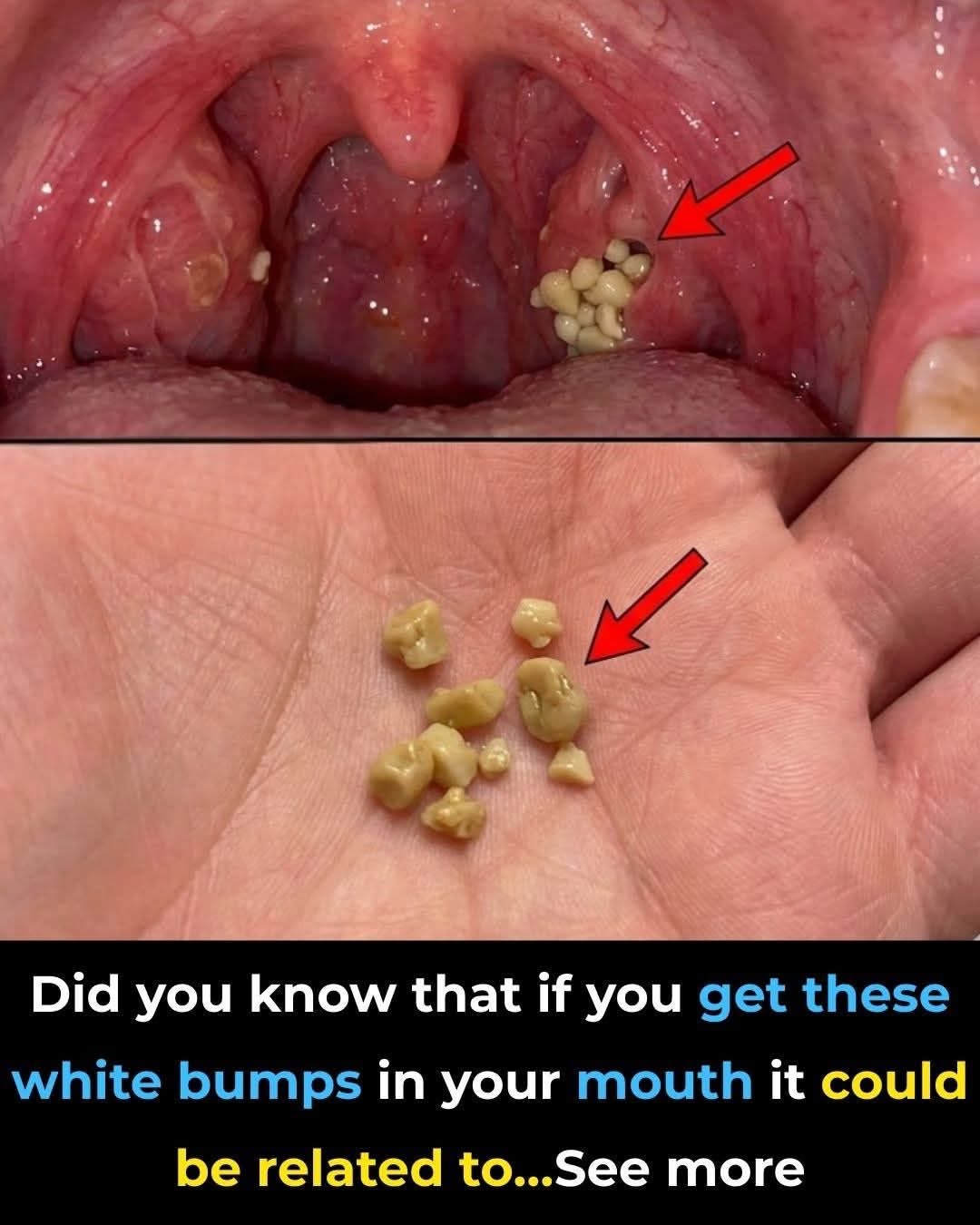
You’re brushing your teeth when you notice it—a tiny, off-white pebble lodged deep in your throat. Or perhaps you’ve been struggling with persistent bad breath that brushing won’t fix. You might even feel a constant tickle or the sensation of something stuck in your throat.What you’re likely experiencing are tonsil stones (medically called tonsilloliths or caseum)—harmless but bothersome calcified deposits that form in the folds of your tonsils. While they’re rarely dangerous, they can disrupt daily comfort and confidence. Here’s what you need to know to understand, manage, and minimize their impact.What Exactly Are Tonsil Stones?Tonsil stones are small, hardened clusters formed when:→ Food particles become trapped in tonsil crevices (crypts)→ Bacteria and dead cells accumulate around this debris→ Saliva minerals gradually calcify the mixture into firm, pebble-like formationsThey typically range from the size of a grain of rice to a pea, and may appear white, yellow, or grayish. Though they form deep in throat tissue, they’re not infections—they’re simply concentrated debris that has solidified over time.Why Do They Form? Key Risk Factors
Why Do They Form? Key Risk FactorsNot everyone develops tonsil stones. You may be more prone if you have:✓ Deep tonsil crypts – Natural folds in the tonsils act as collection pockets✓ Larger tonsils – More surface area for debris to accumulate✓ Chronic post-nasal drip – Excess mucus feeds bacterial growth✓ Dry mouth – Reduced saliva means less natural cleansing✓ Inconsistent oral hygiene – Allows bacteria to thrive in throat tissuesNote: Tonsil stones are not a sign of poor hygiene alone—many people with excellent dental care still develop them due to anatomy alone.Common Signs You Might Have Tonsil StonesWhile some people never notice theirs, others experience:→ Persistent bad breath (halitosis) – The #1 symptom. Bacteria in stones produce volatile sulfur compounds with a distinct odor.→ Sensation of a foreign object – That “something’s stuck” feeling in the back of your throat.→ Ear discomfort – Referred pain via shared nerve pathways between throat and ears.→ Visible white/yellow spots – Often spotted when looking in a mirror with a flashlight.→ Mild sore throat or coughing – Especially when stones dislodge spontaneously.Reassurance: Tonsil stones are almost always benign. They do not indicate cancer or serious infection.Gentle Removal & Prevention StrategiesFor existing stones:→ Warm saltwater gargles – Loosen debris and reduce bacteria (½ tsp salt in 8 oz warm water, 2–3x daily)→ Water flosser on low setting – Gently irrigate crypts (never use cotton swabs—they can injure tissue)→ Coughing or tongue pressure – Sometimes dislodges stones naturallyTo prevent recurrence:→ Hydrate well – Keeps throat moist and flushes debris→ Gargle after meals – Especially if prone to post-nasal drip→ Maintain oral hygiene – Brush teeth, tongue, and gums twice daily→ Stay hydrated – Dry mouth encourages stone formationWhen to see a doctor:Consult an ENT specialist if you experience:• Frequent, large stones causing pain or swallowing difficulty• Persistent throat pain or swelling• Stones that won’t dislodge with gentle methods• Concern about underlying tonsil conditionsImportant note: While home care helps manage tonsil stones, complete prevention isn’t always possible—especially if your tonsil anatomy naturally traps debris. The only permanent solution is tonsillectomy (surgical removal of tonsils), but this is rarely recommended solely for stones due to surgical risks. Most people successfully manage them with consistent hygiene and hydration. A Final Word of ReassuranceFinding a tonsil stone can feel alarming—but it’s a common, manageable condition affecting millions. It doesn’t reflect poor health or hygiene. With gentle care and awareness, most people reduce frequency and discomfort significantly.And that persistent bad breath you’ve been self-conscious about? It likely has a simple explanation—and a straightforward path to improvement.Your throat deserves comfort. Your breath deserves confidence. And you deserve to know: this small annoyance doesn’t define your health. Note: This article provides general health information and is not a substitute for professional medical advice. Consult an ENT specialist for persistent or concerning symptoms.