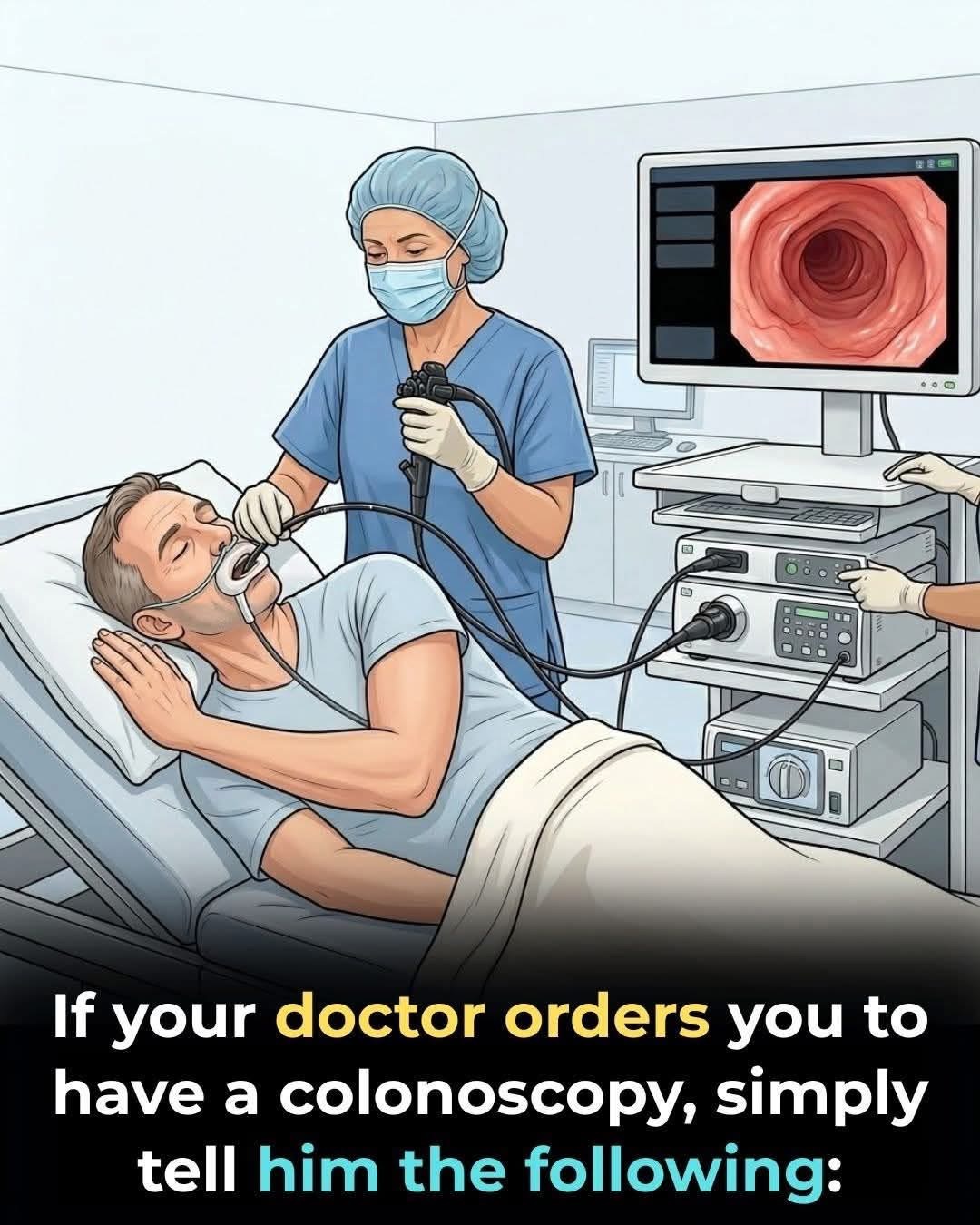
Hearing “colonoscopy” can send a ripple of anxiety through even the calmest person. The word carries baggage—embarrassment, fear of discomfort, whispers of horror stories from well-meaning friends. It’s no surprise that many delay or avoid this screening altogether.Yet here’s what often gets lost in the noise: a colonoscopy is not a punishment. It’s a gift of clarity. And the single most powerful step you can take—before the prep, before the procedure—is to have one honest conversation with your doctor.The Question That Transforms Fear Into UnderstandingWhen your doctor recommends a colonoscopy, ask this:”Can you help me understand why this is right for me now?”This isn’t challenging their expertise—it’s partnering with it. The answer might be:→ “You’re 45—time for routine screening to catch issues before they start.”→ “Your symptoms suggest we should look closer—and this is the most thorough way.”→ “Your family history means early detection is especially important for you.”Suddenly, the procedure shifts from “something being done to me” to “something I’m choosing for my health.” Knowledge dissolves fear. Context creates courage.What a Colonoscopy Really Is (And Isn’t)Let’s clear the air with facts—not fear:

It’s gentle: You’ll receive sedation. Most people sleep through the entire 20–45 minute procedure and wake with no memory of it.
It’s precise: A slender, flexible scope with a high-definition camera allows doctors to see the entire colon in detail—catching polyps as small as a grain of rice.
It’s preventive: Doctors can remove precancerous polyps during the exam—stopping potential cancer before it begins. This isn’t just diagnosis; it’s intervention.
It’s routine: Gastroenterologists perform these daily with quiet professionalism. Your body holds no judgment for them—only the opportunity to protect your health.The real challenge? The prep—the day-before bowel cleansing. Yes, it’s inconvenient. But it’s temporary. And it’s what gives doctors the clear view needed to keep you safe.Where Fear Really Lives (And How to Soften It)
Where Fear Really Lives (And How to Soften It)Fear of colonoscopies rarely stems from the procedure itself. It grows in the quiet spaces between facts:The FearThe Reality”It will be painful or humiliating.”Sedation ensures comfort; medical teams treat every patient with dignity—this is their daily work, not a spectacle.”What if they find something?”Finding a small polyp early means removing it before it becomes cancer. No finding is a “bad” finding—it’s information that empowers action.”The prep sounds awful.”Modern prep solutions are better tolerated than ever. Many split the dose (half the night before, half the morning of), making it more manageable.”I’m too young/healthy for this.”Colorectal cancer is rising in adults under 50. Screening guidelines now start at 45 for average-risk individuals—and earlier if symptoms or family history exist.The most healing antidote to fear? Hearing from others who’ve been there. Most say: “I worried for months about something that took 30 minutes and changed nothing about my dignity—but everything about my peace of mind.Why Timing Isn’t Just Important—It’s ProtectiveColorectal cancer typically develops slowly—often over 10–15 years—from benign polyps into something serious. This isn’t a sprint; it’s a window of opportunity.→ Screen at the right time: You catch polyps early—remove them painlessly—and walk away with years of protection.→ Delay screening: That same polyp may grow, change, and become harder to treat.As the National Cancer Institute emphasizes: colonoscopy isn’t just about finding cancer. It’s about preventing it. And as Harvard Health notes: delaying screening doesn’t reduce risk—it only delays answers.This is especially crucial because early-stage colorectal issues often show no symptoms. By the time warning signs appear, the disease may be more advanced. Screening isn’t for when you feel sick—it’s for when you feel fine, to keep it that way.A Gentle ReframingYes, the idea of a colonoscopy can feel vulnerable. But consider this:→ The 24 hours of prep are temporary.→ The 30 minutes of sedation pass in a blink.→ The peace of mind? That lasts for years.This isn’t about enduring discomfort for its own sake. It’s about honoring your future self—the one who gets to keep hiking, traveling, and watching grandchildren grow up—because you chose clarity today.Your Next StepIf a colonoscopy has been recommended:Ask the question: “Help me understand why this matters for me now.”Voice your concerns: “I’m nervous about the prep/sedation/embarrassment.” A good doctor will listen and ease your mind.Remember your power: You’re not passive in this process. You’re making an active choice to protect your health.And if you’re 45 or older—or have symptoms like unexplained changes in bowel habits, blood in stool, or persistent abdominal discomfort—initiate the conversation yourself. Don’t wait for a recommendation. Your health is worth the awkward question.There is profound courage in choosing knowledge over fear. In trading temporary discomfort for lasting peace. In understanding that vulnerability—asking, preparing, showing up—is not weakness. It is the quiet strength of someone who values their life enough to protect it.That colonoscopy isn’t a test of your body.It’s a testament to your care for it.And the conversation that begins with “Why?” may just lead you to the most important answer of all:”Because you deserve to thrive—not just survive.”Note: This article provides general health information. Always consult your physician to determine the right screening plan for your individual health needs and risk factors.