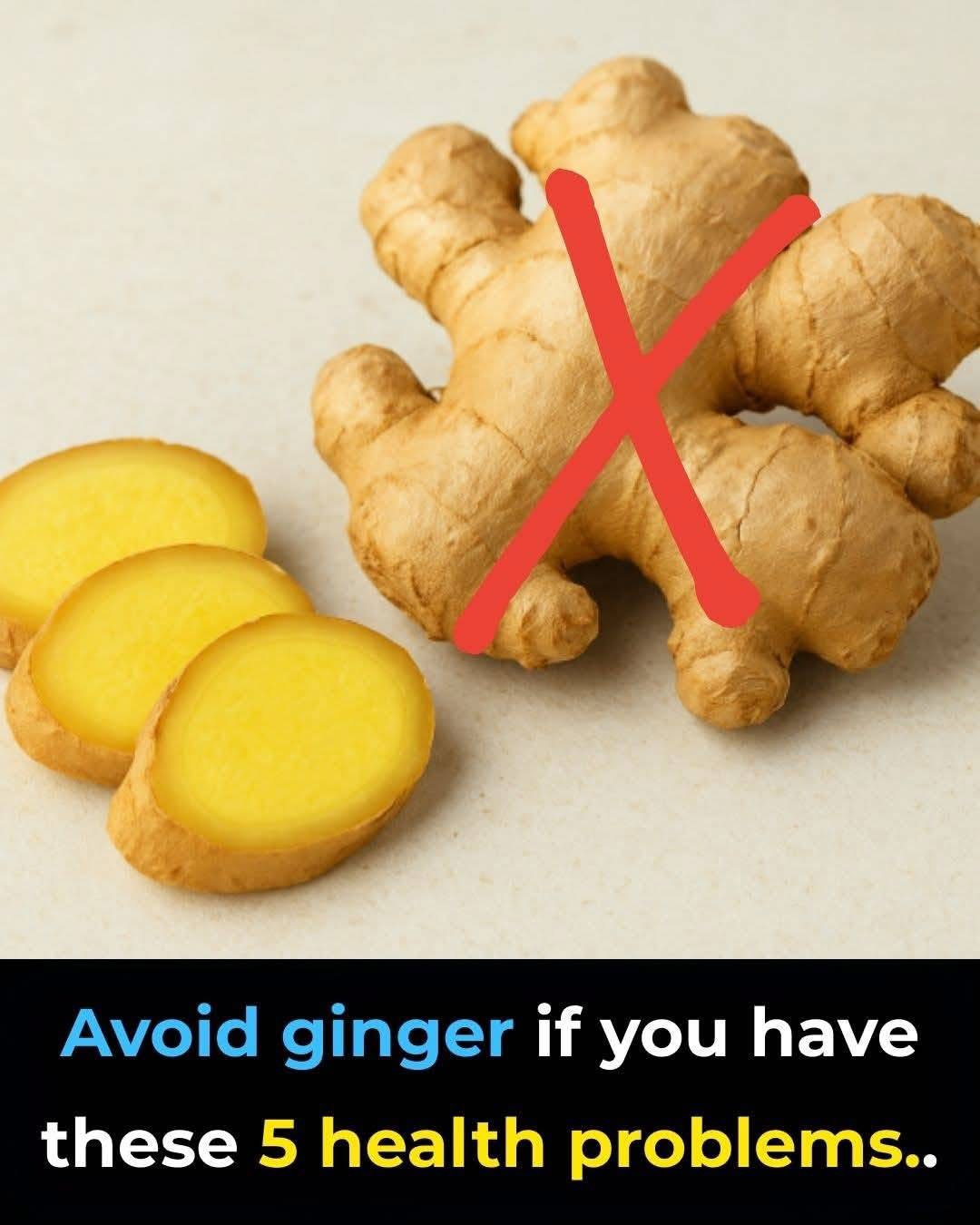
Ginger—a fragrant rhizome celebrated for soothing digestion, easing nausea, and adding warmth to both savory and sweet dishes—is widely regarded as a kitchen staple with gentle wellness benefits. In typical culinary amounts (½ to 1 teaspoon fresh or dried per serving), it’s safe for most people.However, concentrated forms—such as supplements, extracts, or daily high-dose teas—may interact with certain health conditions or medications. Below is a science-informed overview of situations where mindful use or medical consultation is advisable.Important note: This guidance applies primarily to therapeutic doses (≥2 grams daily) or supplements—not occasional culinary use. Always consult your healthcare provider before making dietary changes related to a medical condition.Situations Requiring Awareness1. Blood Thinning & Bleeding DisordersGinger contains compounds (gingerols, shogaols) with mild antiplatelet effects—meaning it may modestly slow blood clotting. For most people, this poses no concern. However, those with:→ Hemophilia or other clotting disorders→ Upcoming surgery (stop high-dose ginger 7–10 days pre-op)→ Taking anticoagulants (warfarin, apixaban) or antiplatelet drugs (aspirin, clopidogrel)…should discuss ginger intake with their physician. Culinary use is typically fine; supplements warrant caution.2. Diabetes ManagementGinger may modestly enhance insulin sensitivity and lower blood glucose. While potentially beneficial, this effect requires monitoring for those on:→ Insulin or oral hypoglycemics (metformin, sulfonylureas)→ Tight glucose control protocolsPractical approach: Track blood sugar if adding ginger regularly; adjust medication only under medical supervision.3. Gallbladder ConditionsGinger stimulates bile production—a helpful effect for digestion in healthy individuals. But for those with:→ Active gallstones→ Biliary colic→ Recent gallbladder inflammation…increased bile flow could trigger discomfort. Note: This doesn’t mean ginger causes gallstones—it may aggravate existing conditions.4. Cardiovascular Medications
4. Cardiovascular MedicationsGinger’s mild vasodilatory effect may complement heart-healthy diets—but requires awareness when taking:→ Blood pressure medications (ACE inhibitors, calcium channel blockers)→ Antiarrhythmics→ NitratesWhy: Combined effects could lower blood pressure more than intended. Culinary amounts rarely pose issues; supplements merit discussion with your cardiologist.5. PregnancyModerate ginger consumption (≤1 gram daily) is widely considered safe during pregnancy and is often recommended for morning sickness. However:→ High-dose supplements (>1.5g/day) lack robust safety data in early pregnancy→ Those with history of miscarriage or bleeding should consult their OB-GYNReassuring context: Ginger tea or small amounts in food remain a well-tolerated nausea remedy for most expectant mothers.Additional ConsiderationsSituationGuidanceLow blood pressureGinger’s mild vasodilation may lower BP further. Monitor symptoms (dizziness); culinary use usually fine.Underweight statusGinger’s appetite-suppressing effect is mild. Focus on nutrient-dense foods first; ginger unlikely to significantly impact weight gain.GERD/acid refluxGinger is generally well-tolerated and may even soothe digestion. Unlike peppermint, it rarely triggers reflux. Individual responses vary.Migraine or arthritisGinger’s anti-inflammatory properties may help these conditions. No evidence of negative interactions with common pain medications at culinary doses.A Balanced PerspectiveGinger isn’t inherently “dangerous” for these conditions—it simply requires awareness when used in concentrated forms alongside certain health profiles. Key distinctions matter: Culinary ginger (in cooking, tea, baking) = generally safe for nearly everyone
 Supplements/extracts (capsules, tinctures, daily high-dose teas) = discuss with your doctor if you have the conditions aboveAs with any herb or supplement, individual responses vary. What affects one person may not affect another—making personalized medical guidance essential.Final ThoughtsGinger remains a beautiful example of food as gentle medicine—when used thoughtfully. Its benefits for digestion, inflammation, and nausea are well-documented. Yet wisdom lies not in fear, but in awareness: knowing your body, respecting your health conditions, and partnering with healthcare providers to make informed choices.If you enjoy ginger in your cooking or occasional tea, continue with confidence. If considering daily supplements for a specific health goal, a brief conversation with your doctor ensures safety without sacrificing benefit.After all, the most nourishing relationship with food isn’t built on restriction—it’s built on knowledge, respect, and joy. Disclaimer: This article provides general wellness information and is not medical advice. Consult a qualified healthcare provider for personal health decisions.