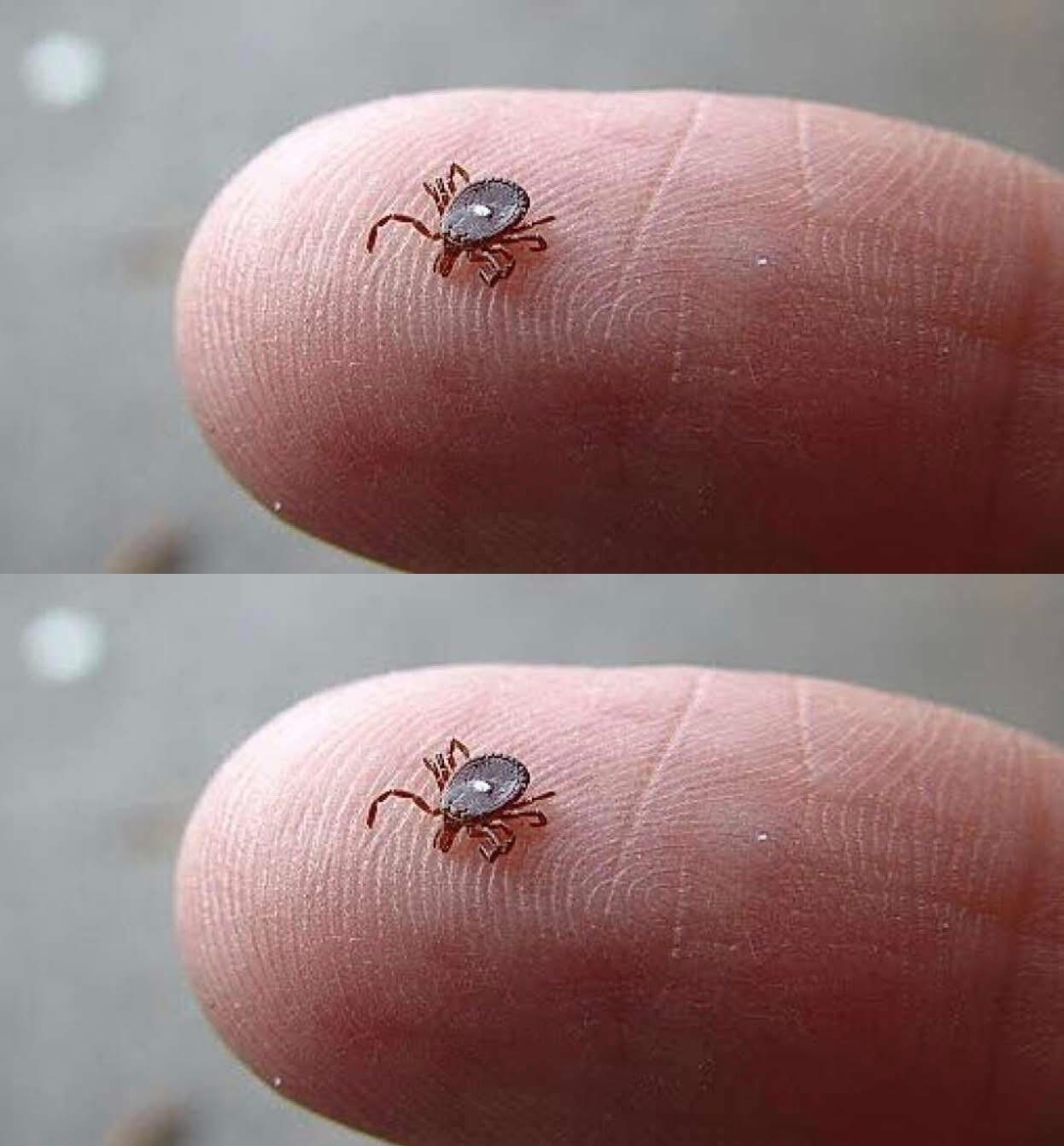
I was mowing the lawn on a quiet Saturday morning when I felt it—a faint, persistent itch on my ankle. At first, I assumed it was a mosquito. But when I glanced down, my breath caught. Clinging to my skin was a small, dark arachnid with one unmistakable feature: a single white dot on its back. A Lone Star tick.
I’ve never been one to flinch at nature’s nuisances—mosquito bites, bee stings, even poison ivy. But ticks trigger something primal in me. Not just because they’re unsettling to look at, but because I know what they represent: a potential gateway to serious illness. That moment in my backyard—heart pounding, tweezers trembling in hand—taught me something important: panic doesn’t protect you. Knowledge does.
Understanding the Lone Star Tick
Native to the southeastern and eastern United States (though its range is expanding), the Lone Star tick (Amblyomma americanum) earns its name from the distinctive white spot on the female’s back. Unlike many ticks that wait passively on vegetation, this species actively hunts—detecting breath, body heat, and vibrations to seek out hosts. They’re aggressive, persistent, and increasingly common in wooded areas, tall grass, and even suburban yards.
Most critically, Lone Star ticks can transmit several illnesses, including:
Ehrlichiosis (flu-like symptoms, fatigue, fever)
Southern Tick-Associated Rash Illness (STARI) (a Lyme-like rash)
Alpha-gal syndrome (a red meat allergy triggered by the tick’s saliva)
Tularemia (less common but serious)
Note: They do not transmit Lyme disease (that’s primarily deer ticks), but their bite should still be taken seriously.
What to Do Immediately: Safe Removal
Stay calm. Your response in the next 60 seconds matters more than your initial reaction.
Gather fine-tipped tweezers (not blunt household tweezers—they crush the tick).
Grasp the tick as close to your skin’s surface as possible—targeting the head/mouthparts, not the bloated body.
Pull upward with steady, even pressure. No twisting, jerking, or squeezing.
Clean the bite area with rubbing alcohol, iodine, or soap and water.
Dispose safely: Flush the tick down the toilet or seal it in a plastic bag with a damp cotton ball (for potential identification if symptoms develop). Never crush it with your fingers.
Critical: If mouthparts remain embedded, leave them. Your body will expel them naturally. Digging deeper increases infection risk.
Critical: If mouthparts remain embedded, leave them. Your body will expel them naturally. Digging deeper increases infection risk.
After Removal: Monitor and Document
This step is where many people slip up—they toss the tick and forget. Don’t.
Save the tick in a sealed container or taped to an index card. Note the date and bite location.
Watch for symptoms over the next 3–30 days:
• Expanding red rash (especially a “bull’s-eye” or large circular patch)
• Fever, chills, or unexplained fatigue
• Muscle or joint aches
• Headache or swollen lymph nodes
Contact your doctor promptly if symptoms appear—and bring the preserved tick. Identification helps guide testing and treatment.
Personal note: I kept my tick in a ziplock bag for two weeks, checking daily for rashes. No symptoms emerged—but that vigilance brought peace of mind.
Prevention: Practical Steps for Peace of Mind
You don’t need to avoid the outdoors—you just need smarter habits:
On your body:
Wear light-colored clothing (easier to spot ticks)
Tuck pants into socks when hiking or gardening
Apply EPA-registered repellents: DEET (20–30%), picaridin, or permethrin-treated clothing
In your yard:
Keep grass mowed short (under 3 inches)
Clear leaf litter, brush piles, and woodpiles near play areas
Create a 3-foot barrier of wood chips or gravel between lawns and wooded edges
→ Consider professional tick control if infestations persist (my husband and I scheduled ours for next week)
After outdoor time:
Shower within two hours (helps wash off unattached ticks)
Do a full-body check
pay attention to hidden spots: scalp, behind ears, armpits, belly button, groin
→ Run pets through a tick comb before they enter the house
A Final Thought
Finding a tick doesn’t have to be a moment of terror it can be a moment of empowerment. That afternoon in my backyard, I chose action over anxiety. I removed the tick properly, saved it for observation, and spent the next few weeks attentive but not afraid.
Ticks are part of our ecosystem. They’re not evil—they’re just doing what ticks do. But we have a responsibility to ourselves: to learn, to prepare, and to respond with calm competence.
Because the real danger isn’t the tick itself.
It’s the silence that follows a bite we ignore.
Stay aware. Stay prepared. And step outside anyway just a little wiser.
Disclaimer: This article provides general guidance and is not a substitute for medical advice. Consult a healthcare provider for personal health concerns or if you develop symptoms after a tick bite.