A Complete Guide with Recipe, History, Benefits, Formation & More
 Introduction
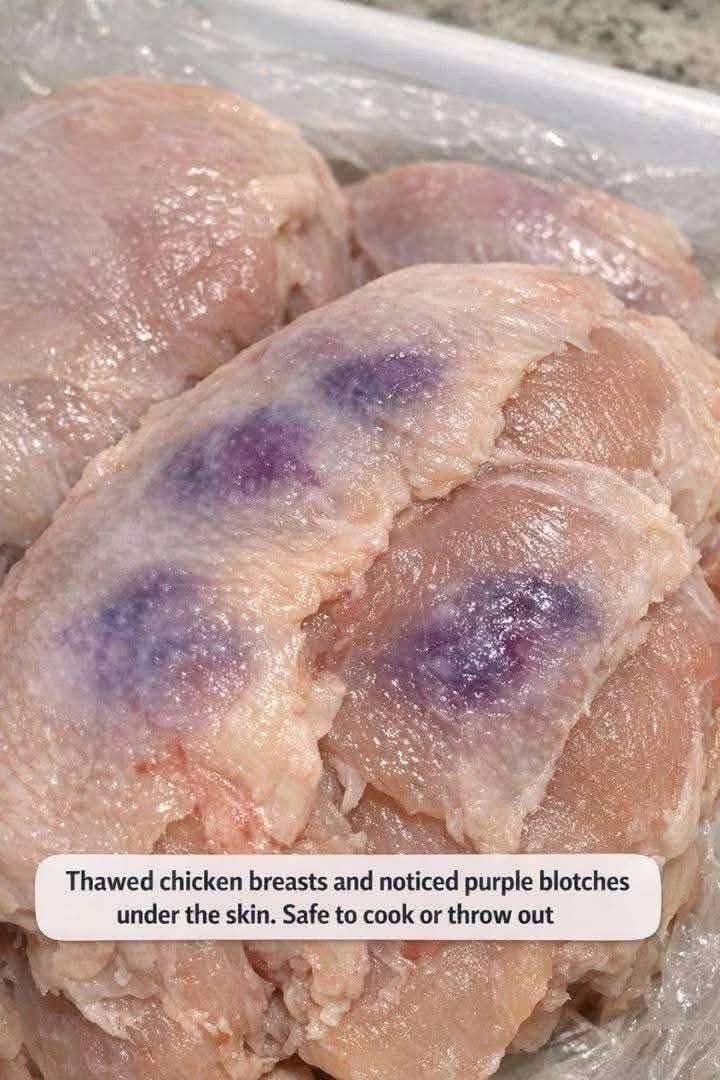
If you’ve ever thawed chicken breasts and noticed purple blotches or dark spots, you’re not alone. These discolorations can look alarming, but in many cases, they are completely normal and safe.
Purple or dark patches on chicken usually occur due to:
- Bruising during processing
- Bone marrow pigments seeping into the meat
- Freezing and thawing effects
- Natural blood vessel pigmentation
As long as the chicken:
- Smells fresh
- Feels firm (not slimy)
- Is within its expiration date
…it is generally safe to cook thoroughly to 165°F (74°C) internal temperature.
Now let’s explore everything — from the science behind purple blotches to a delicious, full recipe you can make safely at home.
 Formation: Why Do Purple Blotches Appear?
Purple blotches form due to several natural processes:
1. Bone Marrow Pigment Migration
Young chickens have porous bones. During freezing, marrow pigments can leak into nearby meat, causing purple or reddish spots.
2. Minor Bruising
Pressure during processing or packaging may cause small internal bruises that turn purple.
3. Oxidation
Exposure to oxygen during freezing and thawing can alter myoglobin (the meat pigment), leading to darker coloration.
4. Blood Vessel Concentration
Chicken breasts sometimes retain tiny blood vessels that darken when frozen.
These are cosmetic issues — not necessarily signs of spoilage.
 History of Chicken Preservation
Chicken has been consumed for over 8,000 years. Preservation methods evolved over time:
- Ancient civilizations used salting and drying
- Medieval Europe relied on smoking
- 20th century introduced industrial freezing
- Modern flash-freezing preserves texture and nutrients
Freezing revolutionized food safety and global distribution — though it sometimes causes color changes like purple blotches.
 Benefits of Chicken Breast
Chicken breast is one of the healthiest protein sources available.
 High Protein
Supports muscle growth and repair.
Low Fat
Especially when skinless.
Rich in Nutrients
Contains:
- Vitamin B6
- Niacin
- Phosphorus
- Selenium
Versatile
Works in grilling, baking, sautéing, soups, and salads.
 BIG RECIPE: Garlic Herb Roasted Chicken Breasts
This recipe works perfectly even if your thawed chicken has harmless purple blotches.
 Ingredients
For the Chicken:
- 4 boneless, skinless chicken breasts (thawed)
- 3 tablespoons olive oil
- 4 cloves garlic (minced)
- 1 tablespoon fresh rosemary (chopped)
- 1 tablespoon fresh thyme
- 1 teaspoon paprika
- 1 teaspoon black pepper
- 1½ teaspoons salt
- 1 teaspoon onion powder
- 1 teaspoon lemon zest
- Juice of 1 lemon
Optional Vegetables:
- 2 cups baby potatoes
- 1 cup carrots (sliced)
- 1 cup broccoli florets
 Methods of Preparation
There are several safe cooking methods:
- Oven Roasting (recommended)
- Grilling
- Pan-searing
- Air frying
- Slow cooking
We’ll focus on roasting.
 Instructions (Oven Method)
Step 1: Inspect the Chicken
- Ensure no foul odor.
- Trim excess fat.
- Pat dry with paper towels.
Step 2: Preheat Oven
Preheat to 400°F (200°C).
Step 3: Prepare Marinade
In a bowl, mix:
- Olive oil
- Garlic
- Rosemary
- Thyme
- Paprika
- Salt & pepper
- Lemon zest & juice
Step 4: Marinate
Coat chicken evenly.
Let sit for 20–30 minutes (or overnight for deeper flavor).
Step 5: Prepare Vegetables
Toss vegetables in olive oil, salt, and pepper.
Step 6: Arrange on Tray
Place chicken and vegetables on a baking sheet lined with parchment.
Step 7: Roast
Bake for 22–28 minutes, until internal temperature reaches 165°F (74°C).
Step 8: Rest
Let rest 5–10 minutes before slicing.
 Food Safety Tips
- Always thaw in refrigerator (never at room temperature).
- Use a meat thermometer.
- Do not refreeze raw chicken repeatedly.
- Discard if smell is sour or texture is slimy.
 Why Chicken Lovers Adore This Dish
Chicken lovers appreciate:
- Juicy texture
- Herb aroma
- High protein content
- Family-friendly flavor
- Easy meal prep
This recipe satisfies both health-conscious eaters and comfort-food fans.
 Cultural Love for Chicken
Chicken is beloved worldwide:
- American roasted chicken
- Indian butter chicken
- Chinese stir-fry
- Mediterranean lemon chicken
- Mexican grilled chicken
It’s one of the most globally loved proteins.
 Conclusion
Purple blotches on thawed chicken breasts are usually harmless and caused by:
- Bone marrow pigment
- Bruising
- Freezing effects
- Natural blood vessel coloration
As long as the chicken smells fresh and is properly cooked to 165°F, it is safe to eat.
With the Garlic Herb Roasted Chicken recipe above, you can confidently prepare a nutritious, flavorful meal.
 Final Thoughts for Chicken Lovers
Don’t let natural discoloration scare you away from enjoying one of the healthiest and most versatile proteins available.