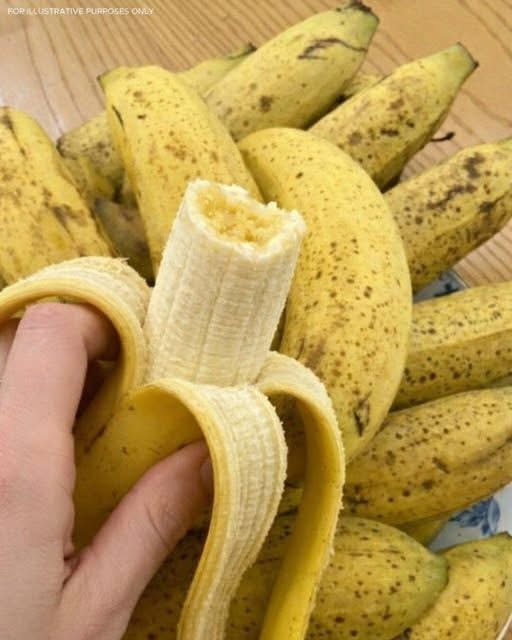
If You’re Over 50, Eating One Banana a Day Could Cause This (What You Should Know)
Bananas are one of the most popular fruits in the world. They’re sweet, convenient, affordable, and packed with nutrients. Many people start their day with a banana in a smoothie, with oatmeal, or simply as a quick snack.
But once people pass the age of 50, the body begins to change. Metabolism slows down, digestion may become more sensitive, and nutritional needs shift. Because of this, some nutrition experts suggest paying closer attention to how everyday foods affect your body — even something as simple as a banana.
So what actually happens if you eat a banana every day after the age of 50? The truth is a bit more interesting than you might expect.
Let’s break it down.
The Good News: Bananas Are Full of Nutrients
Before worrying about anything negative, it’s important to know that bananas contain many beneficial nutrients.
A medium banana provides:
• Potassium
• Vitamin B6
• Vitamin C
• Magnesium
• Fiber
• Natural carbohydrates for energy
Potassium is especially important for adults over 50 because it helps support healthy blood pressure and proper muscle function. Many people actually don’t get enough potassium, which makes bananas a convenient source.
Bananas also contain natural fiber that can help support digestion and keep the gut moving regularly.
For many people, a banana a day can be part of a balanced diet.
However, There Are a Few Things to Consider After 50
As the body ages, it sometimes processes sugar and carbohydrates differently. Even though bananas contain natural sugar, they still affect blood sugar levels.
Here are a few potential things to keep in mind.
1. Blood Sugar Spikes
Bananas contain natural sugars like glucose, fructose, and sucrose. For people who are managing blood sugar or trying to reduce carbohydrate intake, eating bananas every day — especially very ripe bananas — may cause noticeable blood sugar spikes.
This doesn’t mean bananas are bad. It simply means portion size and timing can matter.
Eating a banana with protein or healthy fats, such as nuts or yogurt, can help slow sugar absorption.
2. Too Much Potassium (In Rare Cases)
Bananas are famous for their potassium content. While potassium is extremely important for heart health, too much potassium can be a concern for people with kidney problems.
Healthy kidneys usually regulate potassium levels easily. However, people with kidney disease are sometimes advised to limit high-potassium foods.
If your kidneys are healthy, this is generally not a concern.
3. Digestive Sensitivity
Some adults notice that bananas — particularly very ripe ones — can occasionally cause:
• Bloating
• Gas
• Mild digestive discomfort
This varies from person to person. For others, bananas actually improve digestion because of their fiber content.
The Surprising Benefit Many People Over 50 Notice
Interestingly, bananas also contain prebiotic fiber, which helps feed beneficial gut bacteria.
A healthy gut microbiome may support:
• Better digestion
• Stronger immunity
• Improved nutrient absorption
Many adults over 50 start focusing more on gut health, and bananas can be one small part of that puzzle.
The Best Way to Eat Bananas After 50
If you enjoy bananas, you don’t need to stop eating them. Instead, focus on balance.
Helpful tips include:
• Choose smaller bananas
• Avoid overly ripe bananas if managing blood sugar
• Pair bananas with protein or healthy fats
• Eat them as part of a balanced meal instead of alone
For example, a banana with a handful of almonds or a spoon of peanut butter makes a more balanced snack.
The Bottom Line
Eating one banana a day after 50 is usually perfectly safe for most healthy people. In fact, bananas provide valuable nutrients that support energy, digestion, and heart health.
The key is simply moderation and paying attention to how your body responds.
Every person’s nutritional needs are slightly different, especially as we age. What works well for one person might not work the same way for another.
But for many people, a daily banana can still be a simple, delicious, and nutritious habit.